




“The more that you read, the more things you will know”, You’ve probably heard that somewhere before. As parents, you are well aware of the benefits of reading books. However, children may sometimes find reading a book boring and they may face challenges while reading. When a teacher asks a child to read a certain passage from a book during a lecture, the child finds it difficult. It could be because his reading ability is poor and he has difficulty sounding out written words.
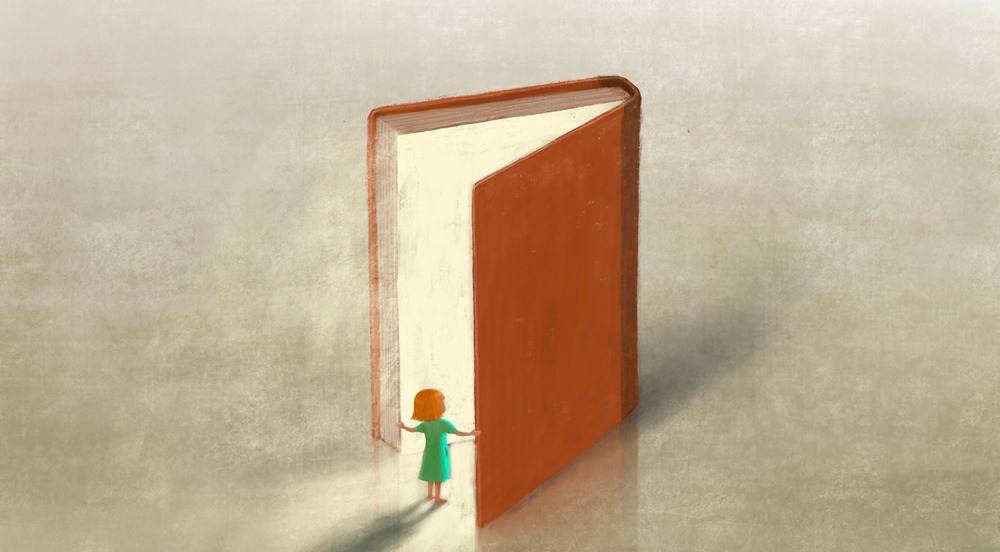
Before encouraging your child to read a book, you should first identify his reading difficulties. Some children naturally love to read, while others do not. It could be because they dislike reading. Let’s look at why this is happening.
6 main reasons why children hate reading
- Reading is a chore for the child.
- Kid is afraid that others will laugh if he reads aloud.
- He finds reading boring.
- He feels it necessary to complete every particular subject, no matter how lengthy or difficult it may be.
- He thinks that he is far behind and that he will never catch up.
- Lack of vocabulary and understanding cognitive skills for reading.
If you feel your child is experiencing these problems when reading, you can assist him in overcoming them. You must sit and read with him as well as ask him to read and try to correct him when he gets stuck. He must make an effort to read frequently in order to develop a good reading habit.
Here are the best 9 ways to encourage your child to develop good reading habits.
- Pick a book that is interesting to read
Bring books such as fairy tales, storytelling, picture books and realistic fiction that are not too difficult to read or not too easy. Tell him to read one of them and if he comes across any unfamiliar words, explain them to him. So that he can learn new words. When he reads the book, make him comprehend the meaning of each sentence so that he is motivated to read and does not find it too tough.
- Make reading a regular activity.
Schedule daily reading time for your child to get the most out of reading. When he reads a little bit from a particular book every day, he will practice, understand new words and develop an interest in reading. Reading is like exercising, it boosts memory performance by giving your brain a good exercise.
- Support your kid
Find out why he suffers with reading. You must speak with his teacher to determine why he is unable to read. Notice where he gets stuck and has problems when he reads the book
- Create a reading space
Make a reading area with your child’s help to keep his reading engaging. Make the space more interesting by adding floor cushions, pillows, amusing accessories and additional books. So that he will get a comfy reading space.
- Inspire reading at home and everywhere else.
Along with reading books, whenever you go outside with your child, ask him to read menus or the movie title when you’re at a restaurant or a theatre. As a result, they grasp things outside of books as well.
- Introduce him to books of various kinds.
Tell your child to read nonfiction books such as comic books, newspapers and encyclopedias. This will assist him in developing critical thinking skills as well as vocabulary. Nonfiction reading develops your child’s brain, improving memory and analytical skills.
- Discuss the books your child is reading
Ask him questions about the book, such as which character is your favorite and what passage you liked most, when he has completed reading it. This practice will assist your child to improve his comprehension skills
8. Highlight the connection between words
When you read with him, whenever possible, talk to him about words. Tell him about the relationship between words. For example, we pronounce “right” and “write” the same way, although their meanings are different. Some words have similar spellings and pronunciation but different meanings in both verbs and nouns. For example, Noun- Conduct defines “person behaviour,” whereas Verb- Conduct implies “organising something.”
This practice will help him understand words more deeply and improve his vocabulary.
- Make reading special
Children who struggle with reading may try to avoid it because it causes them anxiety or frustration. If this happens to your child, create a positive environment in which he can be encouraged to read. Take him to the library and get a library card for him. You can schedule time for both of you to read. Gift him a book based on his interests to stimulate his desire to read.
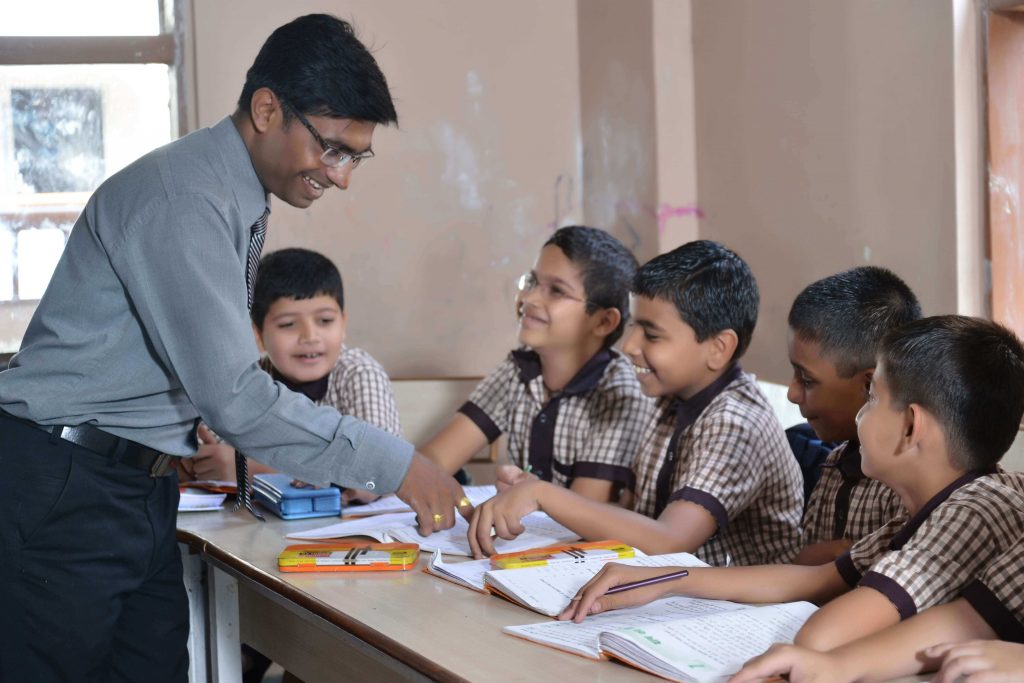
“Reading should not be presented to children as a chore, a duty. It should be offered as a gift.”
Follow these helpful suggestions to assist him to develop his good reading habits. You will form a special bond with your child as a result and he will improve his language skills, imagination and creativity. He will also be capable of reading in front of the class.
You might ask your child’s teacher for suggestions on which books are good to read.

Founded in 1997 under the aegis of “Shree Gurudatta Education Society". Aims to develop future leaders. Curriculum is based on CBSE New Delhi.