


CBSE education in rural areas
Education in rural India is undergoing significant changes, and SPIS, a top CBSE school in Kalwan, is at the forefront of this transformation, demonstrating how quality education can be redefined beyond urban centres and lead to rural education development. As the need for a top CBSE curriculum, state-of-the-art facilities, and skill-based learning increases, rural families are seeking schools that can provide a globally recognised education locally.
One of the significant aspects of CBSE education in rural areas is its focus on holistic development.
There is no doubt that SPIS Kalwan is the one to deliver that promise; the combination of excellence, accessibility, and next-generation learning made it possible for the Nashik region to be the beneficiary.
Rural Education Is Changing, And CBSE Is Leading the Way
By providing CBSE education in rural areas, we are elevating the quality of learning and opportunities available.
For decades, education for rural students was both unstructured and deficient in competition and modern features. A picture has changed completely with the introduction of the best CBSE curriculum in the remote areas. The students in villages now have access to education comparable to that of urban students, thanks to the CBSE, which offers a strong academic foundation, a practical learning approach, and national recognition.
A CBSE school in Kalwan, such as SPIS guarantees:
- An academic framework that is consistent and of excellent quality throughout.
- Learning concepts instead of memorisation of facts.
- Good emphasis on English, Mathematics, and Science.
- Practice of standards and tests at the national level.
- A syllabus that is in harmony with the directions of NEP and up-to-date learning practices.
Such a change has allowed students from rural areas to consider pursuing careers beyond their local regions, including fields like engineering, medicine, sports, design, entrepreneurship, and more.
 How CBSE Education Is Driving Rural Education Development
The influence of the best CBSE curriculum on rural areas is evident and can be quantified:
1. Bridging the Rural-Urban Skill Gap
The implementation of CBSE, with its well-defined syllabus and competency-based learning, empowers rural learners to acquire the most important skills for the modern world, such as analytical, technological, and communication skills, which are on par with those of urban learners. A CBSE school in Kalwan, like SPIS, is a strong link between rural talent and global/national opportunities.
2. Competitive Exam Readiness
CBSE initiates students into Olympiads, JEE, and NEET early. Standardised curriculum and methods like those at SPIS make students more capable of passing competitive exams. This allows students to start their preparations early.
3. Digital & Experiential Learning
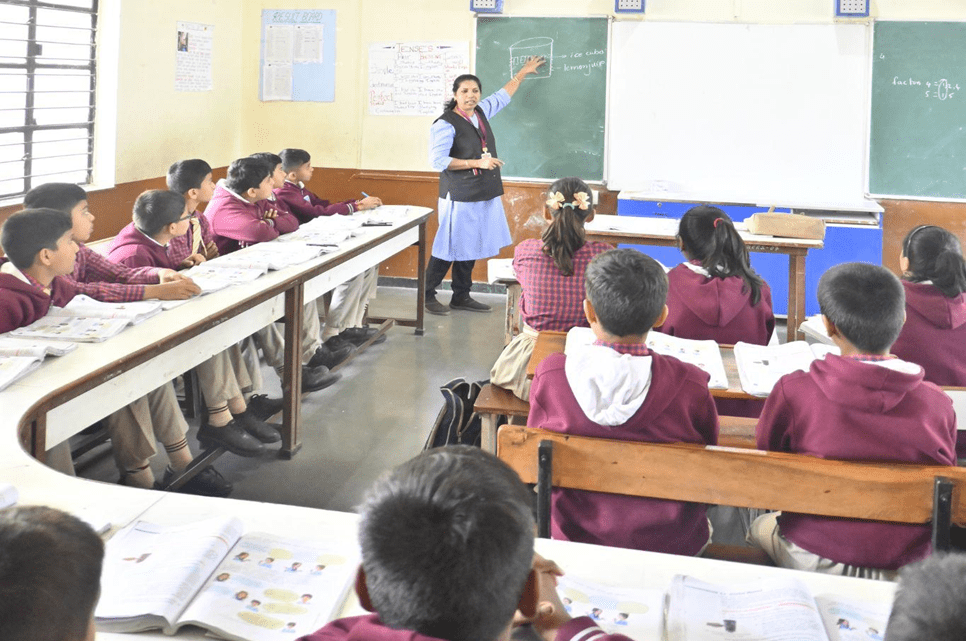
SPIS Kalwan is equipped with smart classrooms, e-learning tools, and practical projects to demonstrate that rural education can be developed with the latest technology and can still be future-oriented. Furthermore, we encourage students to make good use of technology and help them get hands-on learning.
4. Growth of Local Talent
The growth of CBSE education in rural areas is paving the way for a more educated workforce.
The children from villages surrounding Kalwan are no longer compelled to early migration to get better education. A trustworthy modern CBSE school in the Nashik area not only nurtures local talent but also ensures that it is done in a way of retains culture, stimulates self-confidence, and strengthens the community.
SPIS Kalwan is a shining example of how CBSE education in rural areas can transform communities.
SPIS Kalwan: Leading the Change, Inspiring the Future
SPIS Kalwan’s rise is a vivid example of how a well-functioning educational ecosystem can change the whole area. The school is considered by the parents as the most reliable CBSE school in Kalwan, providing the best academic strength of the CBSE curriculum along with the progressive atmosphere of a modern CBSE school in the Nashik region.
Ultimately, CBSE education in rural areas is about empowering students to reach their full potential.
The school has been instrumental in reshaping education in the village, not only by imparting education but also by changing the way people think, raising their aspirations, and making sure that every child in Kalwan is given the opportunity of a bright future without any limitations.
By focusing on CBSE education in rural areas, we can bridge the gap between rural and urban learning.
Final Thoughts
The benefits of CBSE education in rural areas extend beyond academics to include personal growth.
Understanding the importance of CBSE education in rural areas can inspire other regions to follow suit.
While India is progressing in the direction of inclusive education, a school such as SPIS Kalwan is showing that students from the countryside have the same right to quality education as any other students. By carrying forward the robust CBSE pattern, being a contemporary learning centre, and staying true to the all-round development of the students, SPIS is still at the forefront of change and hence, the most influential CBSE school in Kalwan and a major contributor to the development of rural education.
Frequently Asked Questions (FAQS)
1. Why choose a CBSE school in Kalwan for my child?
SPIS Kalwan provides the same level of academic excellence found in major cities, featuring modern teaching techniques, clear conceptual understanding, preparation for competitive exams, and overall development while remaining accessible to local families.
2. How is SPIS Kalwan different from other schools in the Nashik region?
SPIS stands out as a modern CBSE school in the Nashik region with advanced infrastructure, qualified faculty, smart classrooms, and a practical learning approach. It combines rural accessibility with urban-level academic standards.
3. Does the CBSE curriculum help rural students compete nationally?
Yes. The best CBSE curriculum emphasises understanding, application, and skill-building. Students gain exposure to Olympiads, national assessments, and foundational training for exams such as JEE and NEET, helping to bridge the rural-urban educational gap.
4. What facilities does a good CBSE school in Nashik offer?
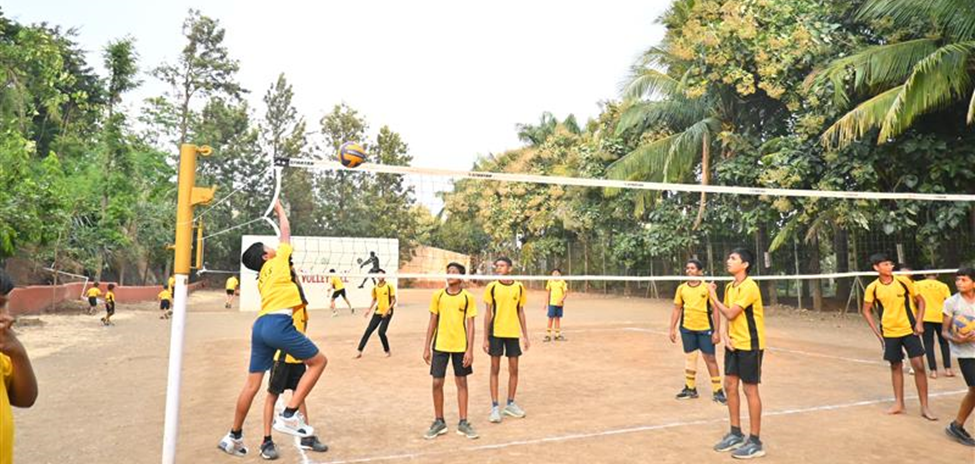
A top choice among CBSE schools in Nashik, SPIS offers science and computer labs, sports facilities, digital classrooms, transportation, activity-based learning spaces, and well-trained teachers. Beyond this, we also provide a secure environment for students with security cameras, adult supervision, and guards who surveil.
5. How is rural education development improving through CBSE schools?
CBSE schools support rural education development by offering standardised learning, digital tools, skill-based teaching, and future-ready exposure. This ensures rural students receive equal opportunities for higher education and career growth.

Founded in 1997 under the aegis of “Shree Gurudatta Education Society". Aims to develop future leaders. Curriculum is based on CBSE New Delhi.