


Table of Contents
Education in India 2026 is undergoing a remarkable transformation. Over the past few years, schools have moved beyond traditional teaching methods to adopt a more dynamic, skill-based and student-centric approach. By 2026, this shift has become even more visible, with institutions aligning their academic models with the principles of the National Education Policy 2020. These changes are reflected in the emerging NEP 2020 CBSE trends, which emphasise holistic development, competency-based learning and practical education.
In this evolving landscape, Sharad Pawar International School (SPIS Kalwan) represents the philosophy of a modern CBSE school that is actively adapting to these educational changes. By integrating innovative teaching methods, student-focused learning strategies and the principles of NEP-driven reforms, SPIS Kalwan demonstrates how schools can effectively respond to the NEP impact on school education.
The Changing Face of Education in India
Education in India 2026: Trends and Innovations
For decades, Indian schooling largely focused on memorisation, textbook learning and examination performance. However, the educational vision in India has shifted significantly in recent years. The introduction of the National Education Policy 2020 initiated a comprehensive transformation aimed at making education more flexible, inclusive and future-oriented.
These reforms are reflected in several NEP 2020 CBSE trends, such as competency-based assessments, interdisciplinary learning and increased emphasis on life skills. The policy encourages schools to focus on conceptual understanding rather than rote memorisation. As a result, the NEP impact on school education can now be seen in classrooms that prioritise inquiry, exploration and application of knowledge.
For a modern CBSE school like SPIS Kalwan, adapting to these changes means creating an environment where students learn not just for exams, but for life.
Understanding NEP 2020 CBSE Trends
One of the most important aspects of education in 2026 is the visible shift toward skill-based learning. CBSE schools across the country are gradually implementing the guidelines and recommendations introduced under the National Education Policy.
Some of the key NEP 2020 CBSE trends shaping modern education include:
1. Competency-Based Learning
Students are now encouraged to understand concepts deeply and apply them in real-world situations. Assessments focus on analytical and problem-solving abilities rather than memorised answers.
2. Flexible Curriculum
Schools are adopting interdisciplinary learning approaches, allowing students to connect different subjects and explore multiple interests.
3. Focus on Foundational Skills
Early education emphasises literacy, numeracy and cognitive development to ensure strong learning foundations.
4. Integration of Technology
Digital learning tools and interactive platforms have become essential components of classroom instruction.
These developments clearly illustrate the NEP’s impact on school systems across India. Institutions that adapt to these changes effectively are emerging as leaders among modern CBSE schools.
SPIS Kalwan: Embracing the Modern CBSE School Model
As education evolves, schools must also evolve in their teaching philosophy and learning environment. SPIS Kalwan has embraced the concept of a modern CBSE school by aligning its academic practices with emerging NEP 2020 CBSE trends.
The school emphasises a balanced education system where academic excellence is combined with creativity, leadership and critical thinking. This holistic framework reflects the broader NEP impact on school education and ensures that students develop multiple competencies rather than focusing solely on examination scores.
Moving Beyond Rote Learning
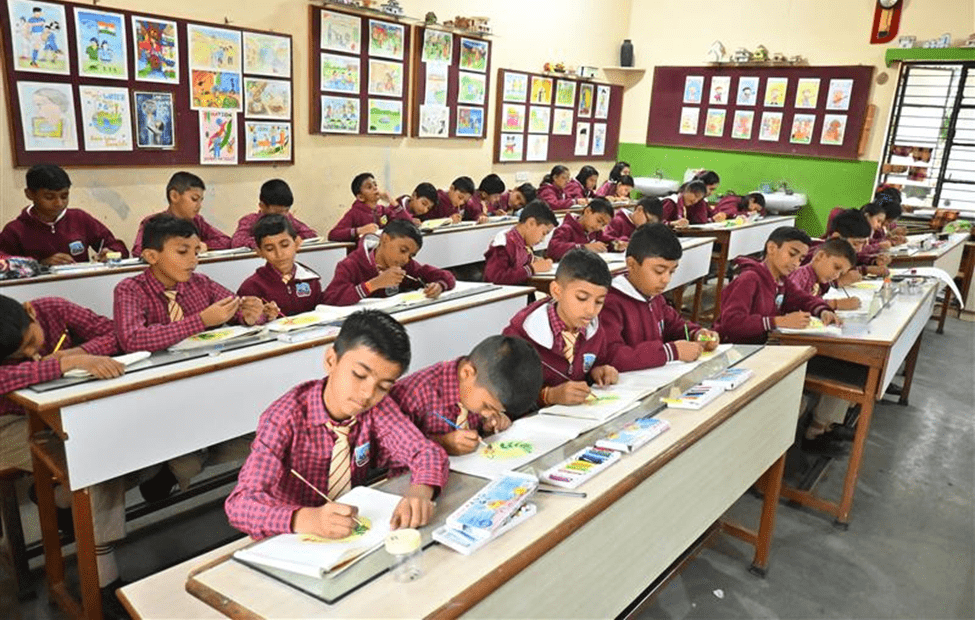
One of the most significant changes in Indian education is the gradual move away from rote learning. Traditional classroom models often focused on memorising information, but today’s learning environment encourages curiosity and understanding.
At SPIS Kalwan, teachers promote interactive learning methods such as group discussions, project-based assignments and problem-solving activities. These practices reflect the evolving NEP 2020 CBSE trends and strengthen the school’s identity as a modern CBSE school.
By encouraging students to ask questions and explore concepts independently, SPIS Kalwan demonstrates how the NEP’s impact on school systems can lead to more meaningful learning experiences.
Skill-Based Education for Future Readiness
Education in 2026 is not limited to academic performance. Schools are increasingly focusing on skills that prepare students for real-world challenges. Communication abilities, teamwork, creativity and adaptability are now essential aspects of school education.
These priorities align closely with NEP 2020 CBSE trends, which promote experiential learning and life skills development. As a modern CBSE school, SPIS Kalwan integrates these skills into everyday classroom activities and co-curricular programs.
Students participate in debates, presentations, cultural activities and sports events that enhance confidence and leadership qualities. Such initiatives clearly reflect the NEP’s impact on school education, where holistic development is as important as academic achievement.
Technology Integration in Learning
Another defining feature of education in 2026 is the integration of digital tools in teaching and learning. Technology has become an essential part of modern classrooms, enabling interactive learning experiences and access to a wide range of educational resources.
SPIS Kalwan embraces technology as part of its identity as a modern CBSE school. Smart classrooms, digital resources and multimedia teaching tools enhance student engagement and make lessons more interactive.
These technological advancements represent one of the major NEP 2020 CBSE trends, highlighting the increasing importance of digital literacy in school education. The NEP impact on school infrastructure is therefore visible in classrooms that combine traditional teaching with modern learning tools.
Holistic Development: A Core Educational Goal
Holistic development has become a key focus of the Indian education system. Schools are now expected to nurture students’ intellectual, emotional, social and physical growth.
This philosophy is central to many NEP 2020 CBSE trends and is also deeply embedded in SPIS Kalwan’s educational framework. As a modern CBSE school, the institution offers students opportunities to participate in sports, arts, cultural activities and leadership initiatives.
Such experiences help students discover their talents, build confidence and develop a balanced personality. These outcomes illustrate the broader NEP impact on school education, where student well-being and overall growth are prioritised.
The Role of Teachers in the New Education Era
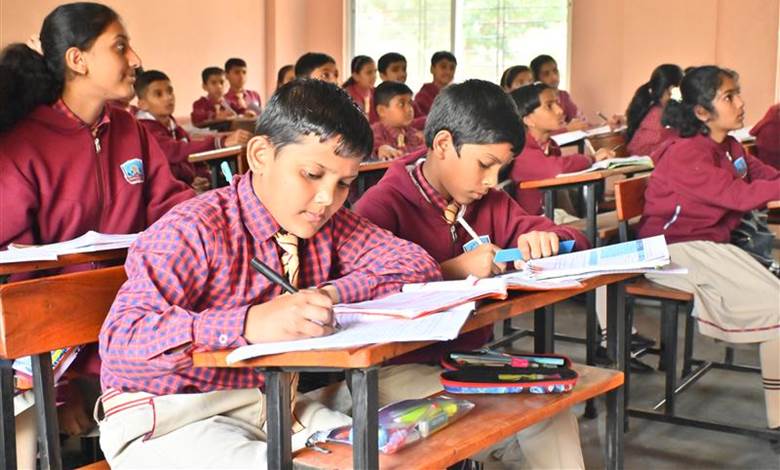
Teachers remain the most important contributors to successful education reform. Even as policies and technologies evolve, effective teaching depends on skilled educators who can guide students thoughtfully.
SPIS Kalwan recognises this responsibility and invests in teacher development programs. Training workshops and professional development initiatives help educators stay up to date on the latest NEP 2020 CBSE trends.
By strengthening teaching practices, the school reinforces its identity as a modern CBSE school that understands the practical implications of the NEP impact on school education.
Preparing Students for the Future
Education in 2026 is ultimately about preparing students for a rapidly changing world. Careers of the future will require creativity, adaptability and continuous learning.
Schools that follow the CBSE trends under NEP 2020 are better positioned to equip students with these capabilities. By embracing innovation, skill development and interdisciplinary learning, SPIS Kalwan ensures that its students are ready to confidently navigate future challenges.
As a modern CBSE school, SPIS Kalwan provides an environment where students can explore their interests, strengthen their abilities and build a strong foundation for higher education and professional success. This approach perfectly illustrates the transformative NEP impact on school education in India.
Conclusion
The evolution of education in India by 2026 reflects a broader shift toward meaningful learning and holistic development. Policies such as the National Education Policy 2020 have introduced reforms that prioritise conceptual understanding, skill development and flexible learning pathways.
These changes are shaping new NEP 2020 CBSE trends, redefining how schools teach and how students learn. Institutions that adapt to these developments are emerging as leaders in modern education.
Through its progressive teaching methods, balanced curriculum and focus on overall growth, SPIS Kalwan represents the vision of a modern CBSE school successfully responding to the NEP impact on school education. By embracing these educational reforms, the school continues to prepare students for a future in which knowledge, creativity and adaptability will be the true measures of success.
Frequently Asked Questions (FAQs)
1. What are the major NEP 2020 CBSE trends in school education?
Some major trends include competency-based learning, skill development, interdisciplinary education and technology integration.
2. How is the NEP’s impact on school education visible today?
Schools are focusing more on conceptual learning, holistic development and flexible curriculum structures.
3. What makes SPIS Kalwan a modern CBSE school?
Its focus on skill-based learning, technology integration, teacher training and holistic development aligns with modern CBSE education standards.
4. Why is NEP 2020 important for CBSE schools?
It provides a roadmap for transforming education into a more practical, student-centric system.
5. How does modern CBSE education benefit students?
It prepares students with critical thinking, life skills and adaptability required for future careers.

Founded in 1997 under the aegis of “Shree Gurudatta Education Society". Aims to develop future leaders. Curriculum is based on CBSE New Delhi.