




Table of Contents
Studying doesn’t have to be boring!
Developing strong study skills is crucial for achieving academic success, but learning doesn’t have to feel like a burden. In fact, with the right strategies, studying can be an enjoyable and rewarding experience for children. Often, traditional study methods—like reading textbooks or completing worksheets—can lead to feelings of monotony, disengagement, and frustration. This is where creativity and playfulness come in. When children approach learning through fun and interactive methods, their interest and enthusiasm for studying significantly increase.
By incorporating fun strategies into the learning process, parents and educators can help children build strong study habits that not only improve academic performance but also foster a love for learning. This is especially important because the skills children develop in their early academic years can shape their attitudes toward education for years to come. Instead of viewing studying as a necessary evil, children can view it as an exciting adventure, which boosts their self-esteem, critical thinking, and cognitive abilities.
Here are five dynamic and fun methods to help children improve their study skills, making learning something they look forward to instead of dreading. These strategies promote engagement, creativity, and collaboration, ensuring that children retain more information and enjoy the learning process.
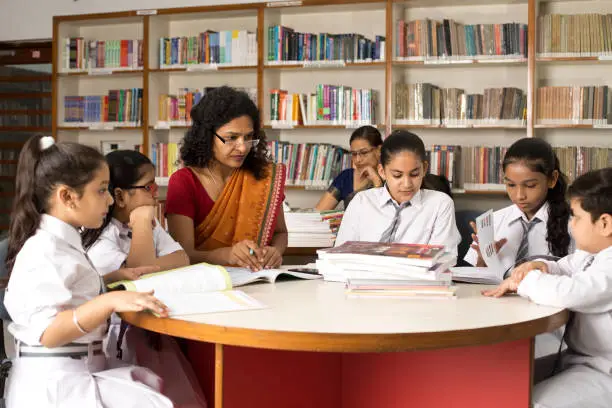
1. Turn Learning into a Game:
Games and play are universal tools for learning. Children are naturally attracted to games because they allow them to learn in a relaxed, pressure-free environment. When learning is transformed into a game, children are more likely to engage, retain information, and even develop positive feelings toward studying. By incorporating educational games into study sessions, parents and teachers can make learning feel more like play.
Educational Games:
Countless educational games cater to various subjects, from math to history, reading, and science. Flashcards, for example, can help children review facts, spelling, or math tables. The goal is to make the review process exciting and interactive. Consider using flashcards in a “memory” game style, where children flip cards over and try to match them to related items. This approach encourages active participation, boosts memory retention, and makes learning more enjoyable.
Interactive quizzes and trivia games also add an element of friendly competition. For example, a family trivia night can be transformed into an educational event where children answer questions related to their school subjects. Tools like Kahoot! or Quizlet allow teachers or parents to create customized quizzes that can be shared in the classroom or at home. The instant feedback and sense of achievement that come with scoring well in these quizzes can motivate children to continue learning and revising.
Custom Learning Games:
Another effective strategy is to design personalized learning games that are specifically tailored to the child’s interests or the subject matter they are studying. For example, a math treasure hunt game can involve solving equations or word problems to find clues hidden around the house or classroom. Or, for history lessons, you might create a board game where players have to answer historical trivia questions to move forward.
Creating custom learning games encourages children to think critically and apply their knowledge. It also allows them to be creative and take ownership of their learning process, which can increase their investment in the activity and make it more rewarding.
Technology Integration:
Technology can also enhance the gamification of learning. Many educational apps and websites offer interactive games that teach various subjects, from coding and math to language arts and geography. Platforms like Duolingo for language learning or Mathletics for math are not only effective but also fun and engaging. These digital games often have levels and challenges that children can progress through, mimicking the rewarding aspect of traditional video games.
By leveraging technology, parents and educators can provide children with additional avenues for learning that are exciting and accessible. They also benefit from the instant feedback that these tools provide, which helps children track their progress and identify areas where they may need improvement. vates them to tackle more challenges.
2. Use Dynamic Colorful Visuals:
Children, especially young ones, are often visual learners. Using visual tools like charts, diagrams, and drawings helps them break down complex concepts and organize information in a way that is easier to understand and retain. These visuals not only make studying more engaging but also enhance comprehension, as they connect abstract ideas with tangible representations.
Visual Tools for Learning:
Charts, graphs, and maps can help simplify and clarify difficult subjects. For instance, when studying biology, a diagram of the human body can give children a visual representation of organs, systems, and processes, making the material more accessible. Similarly, a colorful chart showing the life cycle of a butterfly provides a clear, memorable visual for younger learners. Visual aids like these can help children make connections between concepts and remember them better.
Maps and diagrams are also highly effective in teaching geography and history. A world map, for example, can help children understand the geographical relationships between countries and continents. Similarly, a timeline of historical events helps children visualize the sequence of important moments in history and how they relate to one another.
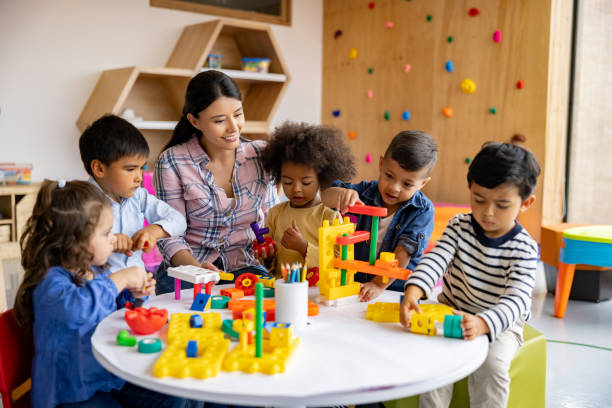
Hands-On Visual Activities:
Creating visual study aids themselves can also be a powerful tool. Encourage children to design their own charts, graphs, and diagrams to represent what they have learned. For example, children can make their own timeline of historical events or draw a diagram of a food chain. This active participation in creating visual tools helps children process and internalize the material more effectively.
Visual activities can also be incorporated into group projects. For example, in a classroom setting, children can collaborate to create a large-scale visual representation of an environmental issue, such as the impact of pollution on ecosystems. The process of working together on a visual project encourages teamwork, communication, and creative thinking while also enhancing their understanding of the subject matter.
Color and Creativity:
Color plays a crucial role in making visuals more appealing and memorable. Research has shown that using different colors when creating charts or diagrams can improve memory retention. For instance, using distinct colors for different categories in a chart or highlighting important information with bold colors helps children focus on key concepts and remember them more effectively.
By incorporating vibrant and dynamic visuals into study sessions, children are not only making learning more enjoyable but also actively engaging with the material in a way that fosters deeper understanding.

3. Harness the Power of Music:
Music is a powerful tool for enhancing focus and making learning more enjoyable. The right kind of music can create a positive atmosphere, reduce anxiety, and help children concentrate better. It has been shown that listening to certain types of music can improve cognitive function, boost memory, and even aid in problem-solving.
Calming Music for Focus:
For children who are easily distracted or anxious, calming background music can help create a peaceful study environment. Instrumental music, such as classical compositions or ambient sounds, can provide a soothing backdrop that allows children to focus on their tasks without distractions. Music with no lyrics is particularly effective because it doesn’t compete with the child’s thought processes, allowing them to concentrate fully on their studies.
Playlists for different subjects or moods can also be an effective strategy. For instance, upbeat, fast-paced music may be useful for math or science study sessions, where children need to stay alert and energized. Conversely, slower, more relaxing tunes can be ideal for subjects like reading or writing, where a more contemplative atmosphere is needed.
Music and Memory:
There is also a strong connection between music and memory retention. By associating specific songs with different subjects, children can create auditory cues that help them remember information. For example, they could create a playlist for a history lesson and include songs that are linked to the historical period they are studying. These musical associations can serve as mental triggers, helping children recall the material when needed.
Music can also be used creatively to reinforce learning. For example, children can make up songs or rhymes to remember important facts, such as the order of the planets or the steps of a math formula. This fun and creative approach makes learning feel like a playful activity rather than a chore, fostering a more positive attitude toward studying.
4. Explore the World of Audiobooks:
Audiobooks are an excellent resource for auditory learners, as they allow children to absorb information while engaging in other activities. Whether they are drawing, building with blocks, or even going for a walk, audiobooks make it possible to learn anytime and anywhere.
Audiobooks for Comprehension and Vocabulary:
Listening to audiobooks can improve a child’s listening skills, comprehension, and vocabulary. Audiobooks expose children to a wide range of language, from everyday vocabulary to more sophisticated words and phrases. Listening to stories also helps children understand narrative structure, character development, and other key components of storytelling.
Audiobooks are also a great way to keep children engaged with reading, especially for those who struggle with reading comprehension. By listening to an audiobook version of a story, children can follow along with the text, which helps reinforce their reading skills. This multimodal approach—combining listening and reading—provides a richer learning experience and supports language development.
Learning On-the-Go:
One of the best features of audiobooks is their versatility. Children can listen to audiobooks while traveling, cleaning, or doing other tasks. This turns otherwise unproductive time into valuable learning moments. Whether in the car or at home, audiobooks make learning a continuous, integrated part of everyday life. Parents can also make audiobooks part of the bedtime routine, helping children wind down while learning new things.
By incorporating audiobooks into a child’s learning routine, parents and educators can provide a flexible, enjoyable, and educational experience that complements traditional studying methods.
5. Animated Adventures in Learning:
Watching educational YouTube videos, especially animated ones, is a great way for kids to learn and have fun at the same time. These videos make hard topics easier with colorful graphics and dynamic fun stories, making learning simpler.
The lively animations and engaging narratives capture children’s attention more effectively than traditional teaching methods. YouTube has a wide variety of educational videos on many topics, like math, science, art, and languages. Also, many channels target specific age groups, making sure the content is suitable and meets their learning needs.
These platforms have fun stories and characters that can capture children’s imaginations while teaching them important lessons. So it will develop a lifelong love for learning.
Combining fun and exciting ways to learn, parents and educators can help children build good study skills and enjoy the learning process. From turning study sessions into games and using colorful visuals to incorporating music, audiobooks, and animated videos, there are many creative ways to enhance the learning experience.
Ultimately, when learning feels like an adventure, children are more likely to stay motivated. By making learning interactive and creative, children can build a strong foundation for their educational journey. where education is not just about grades but about curiosity, creativity, and growth. This fun approach creates a strong base for their learning, helping them gain the skills and confidence they need to do well.
Let’s use these fun learning methods and watch our children grow and succeed in their studies!
Because education is an exciting journey!
FAQs (Frequently Asked Questions)?
- What are some fun ways to make studying enjoyable for children?
Introducing interactive methods like educational games, using flashcards, or incorporating colorful visuals can make studying exciting and engaging. - How can group activities help improve study skills?
Group study games or peer quizzes foster collaboration, critical thinking, and motivation while making the learning process more enjoyable. - How can music be used effectively in studying?
Children can create songs or rhymes about lessons or play instrumental background music to create a pleasant study environment. - What are some fun ways to make studying enjoyable for children?
Introducing interactive methods like educational games, using flashcards, or incorporating colorful visuals can make studying exciting and engaging. - How can group activities help improve study skills?
Group study games or peer quizzes foster collaboration, critical thinking, and motivation while making the learning process more enjoyable.

Founded in 1997 under the aegis of “Shree Gurudatta Education Society". Aims to develop future leaders. Curriculum is based on CBSE New Delhi.