




Table of Contents
Introduction
Recently, the term “wildlife conservation” has become an important topic in conversations about protecting the environment. It’s really important to understand how complicated it is to save animals and why it’s so important to the health of our planet. By understanding the fundamental concepts of wildlife conservation, we are better able to make informed decisions and actively work to protect our environment from significant ecological challenges.
This blog aims to investigate the significance of animal conservation, the fundamental principles at work, the challenges encountered, and the ways individuals may help these efforts.
The Significance of Wildlife Conservation:
Wildlife conservation is essential for maintaining ecosystem balance and biodiversity, which are crucial for the planet’s health. Nature provides vital benefits like climate regulation and water purification, and when species face extinction, these functions can be disrupted, affecting all life forms, including humans. Therefore, wildlife conservation is about sustaining our environment and recognizing our duty to protect all species, emphasizing the importance of preserving ecological integrity for all living organisms.
Key Principles of Wildlife Conservation:
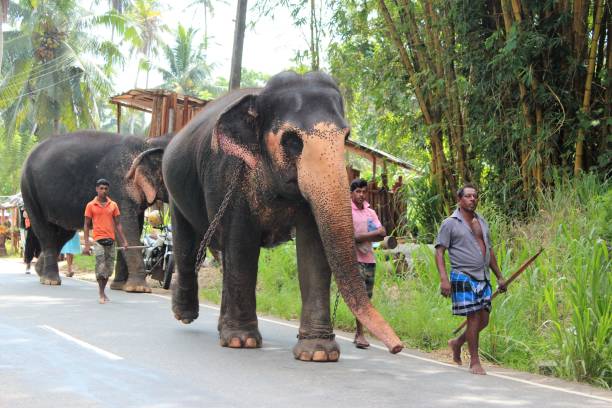
Wildlife conservation includes a range of methods and strategies aimed at protecting species and their environments. One of the key concepts is:
- To ensure that animals can survive by protecting their habitats. Many species become endangered due to habitat loss caused by human activities such as urbanization, agriculture, and deforestation. Establishing areas such as national parks and wildlife reserves is essential to preserving these important areas.
- In order to protect different species, measures such as tracking their populations, preventing hunting, and starting breeding programs are needed. Conservationists try to address the specific barriers that each species faces to prevent extinction or eradication.
- Effective wildlife conservation involves protecting entire ecosystems rather than focusing on a single species. The existence of diverse species can be sustained in dynamic environments. This approach includes maintaining ecological balance, controlling invasive species, and restoring damaged habitats.
- Local communities have a great influence on animal protection. Involving local communities in conservation programs is an economically and culturally appropriate strategy. Community care programs enable community members to participate in and benefit from charitable activities.
Challenges in Wildlife Conservation:
Protecting wildlife is undeniably important, yet numerous significant challenges continue to threaten conservation efforts. In addition to habitat destruction, climate change, illegal wildlife trade, and pollution, several other factors contribute to the complex issues wildlife faces:
1. Habitat Destruction: Human activities like farming, urban development, and infrastructure projects are leading to the destruction and fragmentation of natural habitats. This reduces the available space for animals to live, hunt, and breed, often isolating populations, which makes it harder for them to find mates and food.
2. Human-Wildlife Conflict: As human populations expand and encroach on wildlife habitats, conflicts between humans and animals increase. Wild animals may raid crops, attack livestock, or even pose a threat to human safety. In turn, humans may retaliate by killing or relocating these animals. Mitigating this conflict requires innovative solutions, such as the development of wildlife corridors and promoting coexistence through education and community engagement.
3. Lack of Awareness and Education: A lack of understanding about the importance of wildlife conservation can hinder efforts to protect species. Many communities are unaware of how their actions, such as purchasing wildlife products or supporting industries that harm the environment, contribute to species decline. Raising awareness through education and outreach is crucial to building support for conservation initiatives.
4. Illegal Wildlife Trade and Poaching: Many species are endangered due to illegal poaching and the wildlife trade. Animals are hunted for their body parts, captured as exotic pets, or exploited for traditional medicine, putting their survival in danger. Enforcing laws and fostering global cooperation is crucial to combat this illegal activity.
5. Disease and Health Threats: Wildlife populations are increasingly vulnerable to diseases, some of which are exacerbated by human activity. Habitat destruction and climate change can stress animal populations, making them more susceptible to diseases. Zoonotic diseases, which can jump from animals to humans, pose additional challenges, as managing these diseases requires coordinated efforts to protect both wildlife and human health.
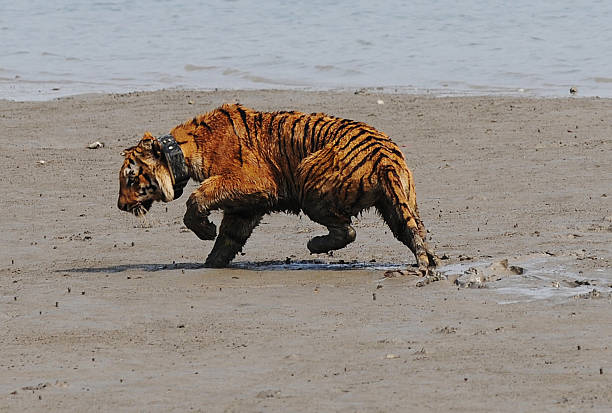
How You Can Contribute to the Preservation of Wildlife:
1. Get involved with conservation organizations: Support groups like the World Wildlife Fund, Nature Conservancy, and Wildlife Conservation Society by donating funds or volunteering your time. Your contributions help these organizations continue their vital work in protecting wildlife and their habitats.
2. Practice Sustainable Living: Adopt sustainable behaviors to reduce your environmental impact. This includes minimizing plastic use, conserving energy, and choosing products made from sustainable materials. These actions can help diminish pollution and protect vital habitats.
3. Advocate for Policy Changes: Push for new laws and policies that safeguard wildlife and their environments. Participate in local conservation projects and engage in advocacy efforts at the community or national level to create meaningful change.
4. Educate Yourself and Others: Increase your knowledge about wildlife conservation and share what you learn with others. Raising awareness can inspire collective action, encouraging more people to make informed decisions that support conservation efforts.
Conclusion:
Conserving wildlife is essential for the survival of that beautiful tapestry of life on our planet and for keeping our ecosystems functioning properly. The wealth of species, the expanse of elephants on the savannas, and butterflies among wildflowers are not only a wonder; they are essential to our own existence. Grasping how conservation works helps us acknowledge the critical situations these animals are in, from habitat destruction, poaching, and climate change. Knowing these ideas gives us the ability to develop sensible, workable solutions that protect biodiversity while simultaneously taking human needs into consideration.
A mandate for strong species conservation laws and responsible land use practices as well. This means advocating for policies that protect not only endangered species but also the ecosystems in which they live. It is about the establishment of reserves where animals and plants can thrive away from the negative effects of development. Sure, we need legislative drivers too, but equally, we need to be in our communities planting the seed for why conservation is SO important.
The education here has a crucial transforming role. Providing insight into how life is interconnected, and what challenges wildlife are facing in the Anthropocene can motivate people to act. Equally important is participation from the community. Whether by taking part in local clean-ups, or monitoring programs for wildlife.

FAQs (Frequently Asked Questions):
1. Why is wildlife conservation important?
Wildlife conservation is crucial because it helps maintain ecological balance, supports biodiversity, and contributes to the health of the planet. Protecting wildlife ensures that ecosystems continue to function properly, which benefits both wildlife and human populations by supporting clean air, water, and food resources.
2. How can we protect endangered species?
Protecting endangered species involves a range of strategies, including establishing protected areas like national parks, enforcing strict anti-poaching laws, restoring and preserving natural habitats, encouraging sustainable practices, and raising public awareness to emphasize the importance of wildlife conservation.
3. What role do humans play in wildlife conservation?
Humans play a critical role in both the destruction and protection of wildlife. By adopting sustainable practices, supporting conservation initiatives, reducing carbon footprints, and advocating for policy changes, people can contribute positively to wildlife conservation efforts.
4. What is the role of conservation organizations?
Conservation groups are crucial for protecting wildlife as they perform research, increase awareness, support policy changes, provide funding for conservation initiatives, and collaborate with governments and local communities to promote sustainable practices
5. What is the “biodiversity crisis,” and how does it relate to wildlife conservation?
Conservation groups are crucial for protecting wildlife as they perform research, increase awareness, support policy changes, provide funding for conservation initiatives, and collaborate with governments and local communities to promote sustainable practices. The biodiversity crisis refers to the rapid decline in the variety of life on Earth, driven by habitat destruction, climate change, pollution, and overexploitation of species. Wildlife conservation is directly tied to halting this crisis by protecting species, habitats, and ecosystems.

Founded in 1997 under the aegis of “Shree Gurudatta Education Society". Aims to develop future leaders. Curriculum is based on CBSE New Delhi.