



Table of Contents
Introduction

Students are already using technology and AI, often without realizing how much.
From asking ChatGPT to explain a science topic to using Grammarly to tidy up an assignment, these tools are part of their daily routines. But using tech isn’t the same as understanding it.
That’s where we come in. At SPIS, it’s our job to help students make sense of the tools they use, not just to click and submit, but to think, question and learn with intention.
Because the truth is, tech and AI are no longer optional. They’re built into the way students learn, solve problems and even interact with the world.
This blog isn’t about turning students into tech experts.
It’s about making sure they know the essentials:
How to navigate tools smartly,
How AI actually works,
And how to use it all with clarity and responsibility.
Let’s walk through the five basics every student should know to keep up, stay sharp and use technology and AI meaningfully.
Technology and AI Core Basics
1. Tech Skills Start with Digital Literacy

Every student needs to know their way around a digital world, not just how to click and type, but how to do it well.
That means being able to:
> Find reliable information online (not just the first result that comes up).
> Stay safe online: It involves recognizing fake links, scams and keeping passwords secure.
> Use basic tools like Google Docs, email, spreadsheets and file-sharing.
> Keep their digital life organized (because lost work is still a thing).
These are everyday skills now. We don’t expect kids to master everything overnight, but we do expect them to learn how to navigate tech with confidence and caution.
2. NLP (Natural Language Processing)
AI sounds complicated, but students are already using it when they talk to Siri, translate languages on their phones or use tools that suggest what to write next.
Here’s what they should know:
> AI learns from data—lots of it. It doesn’t “think” like we do; it finds patterns.
> Machine learning and neural networks are the tech behind the scenes that make AI smart.
> NLP (Natural Language Processing) is how AI understands and responds to our words.
We don’t expect students to know how to build AI. But we do want them to understand what it’s doing, where it might go wrong and how to ask better questions when they use it.

3. AI Tools Are Here; It’s Time to Use Them Wisely
Many students already use AI tools. The question is: are they using them well?
Here are a few examples students might be using (or should try out):
> ChatGPT / Gemini: ask it to explain something or help you brainstorm. Don’t copy and learn from it.
> Grammarly: For polishing your writing and getting better at grammar.
> NotebookLM: a tool that analyzes your notes and helps you find key ideas.
> GitHub Copilot: For those learning to code, this suggests snippets as you work.
AI tools aren’t a cheat code; they’re study tools. And like any tool, the value depends on how you use it. Learn how to prompt clearly, check what it gives you and use it to grow, not just to finish something faster.
4. Classrooms Are Changing
Learning today looks different from how it did even five years ago. And that’s a good thing!
Here’s what we mean:
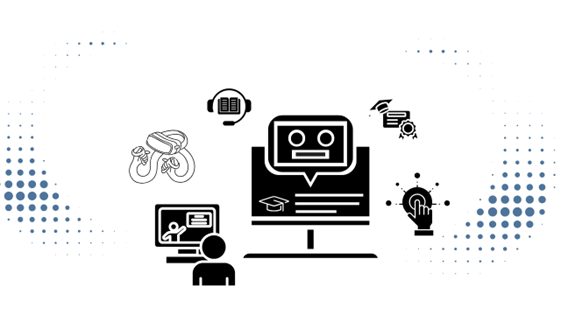
> AI tutors like Khanmigo help students with homework, step by step.
> Some platforms adjust difficulty based on how a student answers.
> VR/AR tools let students explore a volcano or the solar system from their screens.
Tools like Gradescope help teachers grade faster so they can spend more time helping students directly.
These aren’t futuristic ideas; they’re already in classrooms. That’s why we want students to not just use the tools, but understand how and why they work. It builds independence and prepares them for what’s next.
5. Using Tech Comes with Responsibility
This part is just as crucial as everything above. We don’t just want students to be tech-savvy; we want them to be thoughtful.
That means:
> Understanding that AI can be biased, depending on the data it’s trained on.
> Realizing that not everything online is private, even when it says it is.
> Knowing the difference between using AI for support and copying its answers word-for-word.
We talk a lot about academic honesty, but this goes deeper than grades. It’s about learning to think for yourself. It’s about being the kind of person who uses technology to grow, not to avoid effort.
Wrapping It Up
We know students are already living in a world powered by technology and AI. Our job as a school isn’t to shield them from it. It’s to help them make sense of it and learn how to use it with purpose and care.
If we can teach students to understand the tech they use, to question what they’re given and to be thoughtful about what they create or share, we’re not just preparing them for jobs, we’re preparing them to lead.
FAQs
Que: 1. At what age should students start learning about AI and tech tools?
Ans: Middle school is a great time to start, but even younger students can begin learning safe and smart tech use.
Que: 2. Are tools like ChatGPT safe for students?
Ans: Yes, if used responsibly. They’re great for learning, brainstorming and support. But students should always double-check what AI tells them.
Que: 3. Do students need to learn coding to understand AI?
Ans: Not necessarily. But learning a little coding (like Python or Scratch) helps make sense of how AI and software work.
Que: 4. Is AI replacing teachers?
Ans: Not even close. AI can support learning, but nothing replaces the role of a real, caring teacher.
Que: 5. What can parents do to help?
Ans: Be curious. Ask your child what tools they’re using. Learn together. The more conversations we have, the better prepared our students will be.

Founded in 1997 under the aegis of “Shree Gurudatta Education Society". Aims to develop future leaders. Curriculum is based on CBSE New Delhi.