



Table of Contents
Introduction:
Girls education is a cornerstone of global development and an essential step toward creating a more equitable world. Empowering girls with access to quality education transforms not only their lives but also uplifts entire communities. Educated girls contribute to economic growth, foster social progress, and drive sustainable development.
When we invest in girls education, we pave the way for stronger families, healthier societies, and more innovative economies. It’s not just an individual benefit but a collective gain that can address global challenges such as poverty, inequality, and environmental sustainability.
Let’s make “girls education” a priority for a brighter, more inclusive future!
Research shows that educated girls earn up to 25% more income, have healthier families, and contribute to innovation in their communities. These advantages extend across generations, creating a powerful effect that drives societal advancement.
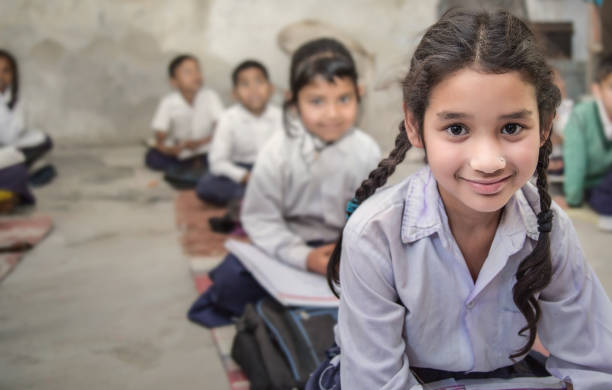
However, there are still 122 million girls around the world who are not in school. This represents untapped potential and missed opportunities for global progress. We must address this issue urgently.
Investing in education for girls is not only a matter of human rights; it is also essential for building prosperous societies. By providing girls with knowledge and skills, we can:
- Break the cycle of poverty
- Strengthen economies
- Promote gender equality
- Build resilient communities
- Foster sustainable development
The key to global progress lies in ensuring that every child has access to education.
The Power of Educating Girls:
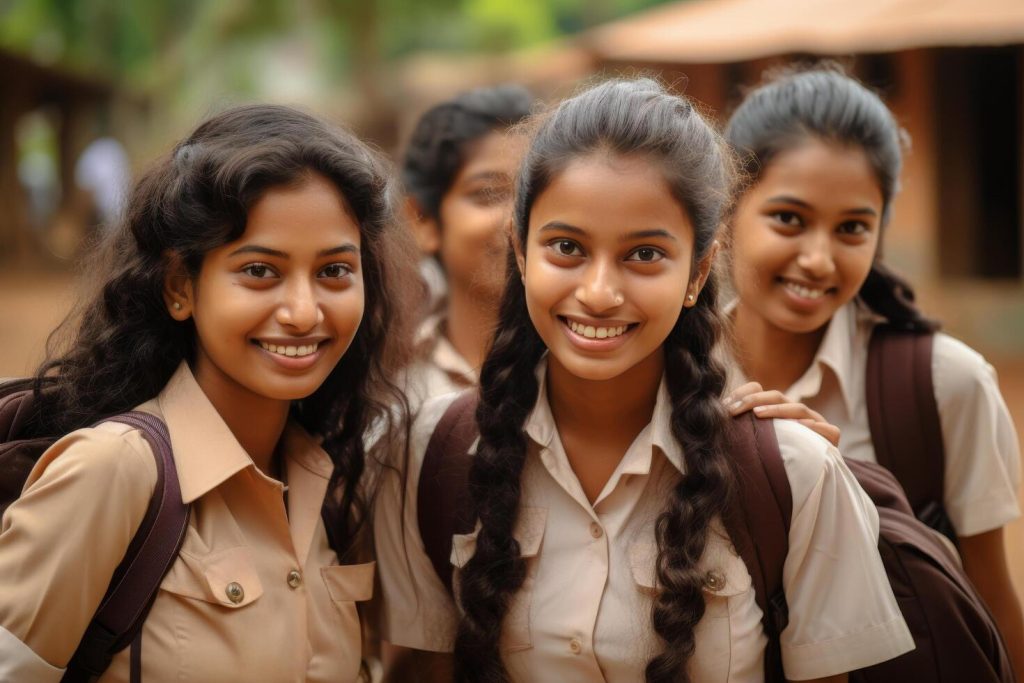
Education is a fundamental human right that every girl in the world should have. The Universal Declaration of Human Rights. recognizes education as essential for human dignity and development. When girls receive a quality education, they gain the ability to understand, defend, and advocate for their rights in all areas of life.
Breaking the circle of gender inequality:
Education empowers girls by providing them with:
- Critical thinking skills to challenge discriminatory norms
- Knowledge to make informed decisions about their lives
- Confidence to pursue leadership roles
- Skills to participate in political discourse
- Tools to advocate for their rights and interests
The effects of educated women on the economy:
Research shows that educating girls has significant economic benefits.
- 25% increase in wages for each additional year of secondary education
- Higher workforce participation rates
- Improved financial literacy and management skills
- Greater contribution to household income
- Enhanced ability to start and manage businesses
Barriers Hindering Girls’ Access to Education
Despite global efforts to promote universal education, girls education still faces significant obstacles that prevent millions from accessing quality learning opportunities. These challenges demand immediate action and systemic solutions.
- Poverty: The Primary Obstacle
- Families with limited resources often prioritize boys’ education.
- School fees, uniforms, and supplies create financial burdens.
- Girls are needed for household labor or income activities.
- Limited access to sanitary products leads to absenteeism.
- Cultural Norms and Social Expectations
- Traditional beliefs prioritize marriage over education.
- Gender roles restrict girls to domestic responsibilities.
- Social stigma exists against educated women in some communities.
- Few female role models in educational leadership.
- Safety and Security Concerns
- Physical or sexual harassment during travel to school.
- Violence within schools.
- Unsafe facilities lack proper sanitation.
- Cyberbullying and online harassment.
- Early Marriage and Teenage Pregnancy
- 12 million girls under 18 marry annually.
- Pregnancy-related dropouts affect 16 million girls aged 15–19.
- Social stigma prevents young mothers from returning to school.
- Limited support for teenage mothers pursuing education.
- Structural and Institutional Barriers
- Poor school infrastructure, especially in rural areas.
- Shortage of female teachers and mentors.
- Gender-biased curriculum and teaching materials.
- Limited access to technology and digital resources.
- Discriminatory Practices
- Male students often receive preferential treatment.
- Girls are excluded from STEM subjects and advanced courses.
- Limited participation in extracurricular activities.
- Inadequate career guidance and counseling services for girls.
These barriers compound each other, creating cycles of disadvantage for girls education, particularly in rural or conflict-affected areas. Additionally, girls with disabilities face double discrimination, with less than 1% completing secondary education in low-income countries due to a lack of inclusive policies and facilities.
The Urgency of Addressing the Crisis Post-COVID-19
During the COVID-19 pandemic, school closures impacted 1.6 billion learners globally, with female students disproportionately affected. The crisis highlighted and exacerbated pre-existing challenges in girls education, underscoring the urgent need for targeted interventions to ensure equitable access for all.
Strategies for Change: Empowering Girls Through Education at All Levels
Empowering girls through education is essential to achieving global progress. Despite various barriers, effective strategies combining financial support, community engagement, and systemic reforms can ensure equal access to quality education for all girls. Here’s a detailed look at how these strategies transform lives and strengthen societies by prioritizing girls education.
1. Financial Support Programs
Many families in low-income communities struggle to bear the cost of education, often prioritizing boys’ schooling over girls’. Addressing this financial gap is critical to advancing girls education. Key interventions include:
- Scholarships: Providing targeted scholarships to girls from low-income households encourages school enrollment and retention.
- Monthly Stipends: Financial assistance in the form of stipends offsets the costs of attending school, such as transportation and meals.
- Cash Transfers: Conditional cash transfer programs incentivize families to send their daughters to school regularly.
- Free School Supplies: Distributing free uniforms, textbooks, and other supplies removes financial barriers for families struggling to afford educational resources.

For example, scholarship initiatives in Bangladesh have increased girls’ enrollment rates by 12%, proving that economic support directly impacts educational access.
2. Infrastructure Development
Many schools lack the necessary infrastructure to accommodate the needs of girls, leading to high dropout rates. Improving school facilities is a foundational step in promoting girls education. Effective measures include:
- Separate Sanitation Facilities: Ensuring safe and private bathrooms for girls reduces absenteeism, especially during menstruation.
- Proximity to Communities: Building schools closer to rural areas minimizes the risks and challenges of traveling long distances.
- Safe Transportation: Providing secure transportation options ensures that girls can commute to school without fear of harassment or violence.
- Security Measures: Installing proper lighting and employing security personnel creates a safer learning environment.
These initiatives are especially impactful in rural and conflict-affected areas where safety concerns disproportionately affect girls’ attendance.
3. Community-Based Solutions
Engaging local communities is vital for challenging cultural norms and ensuring sustainable progress in girls education. Successful approaches include:
- Training Women as Teachers: Female educators act as role models, inspiring girls to pursue their academic goals.
- Parent-Teacher Associations: Collaborations between parents and schools foster awareness and prioritize the importance of educating girls.
- Cultural Advocacy: Religious and cultural leaders advocating for education challenge deep-seated gender biases.
- Mother Support Groups: These groups provide practical support and encouragement, ensuring consistent school attendance for girls.
In rural India, village councils partnered with schools to address cultural barriers, successfully persuading families to invest in their daughters’ education.
4. Policy Implementation
Governments play a pivotal role in advancing girls education through strong policies and enforcement. Key policy initiatives include:
- Laws Against Child Marriage: Enforcing legislation that prohibits child marriage protects girls from being forced out of school.
- Flexible School Schedules: Accommodating girls’ responsibilities at home encourages continued education without conflict.
- Re-Entry Policies: Allowing young mothers to return to school after childbirth reduces dropout rates.
- Gender-Sensitive Curricula: Developing inclusive materials that challenge stereotypes promotes equality in the classroom.
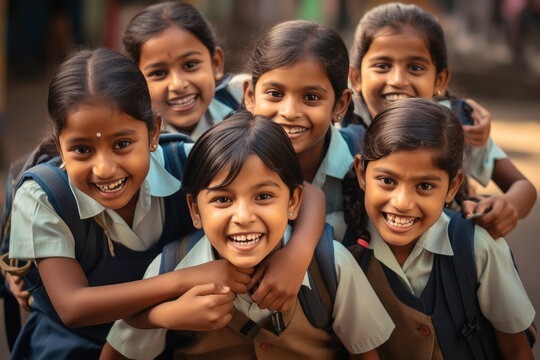
Countries like Ethiopia have seen significant reductions in early marriage rates, alongside increased school retention for girls, through effective policy enforcement.
5. Teacher Training Programs
Teachers play a critical role in creating a supportive environment for girls. Proper training equips educators to address gender biases and promote equality in classrooms. Essential strategies include:
- Gender-Sensitive Teaching: Techniques that ensure all students feel valued and included.
- Bias Awareness: Helping teachers identify and address unconscious biases that disadvantage girls.
- STEM Support: Encouraging girls to participate in science, technology, engineering, and mathematics (STEM) builds confidence and opens career opportunities.
- Safe Classrooms: Cultivating environments free from discrimination and harassment fosters girls’ academic success.
In Kenya, teacher training programs have led to a 15% increase in girls’ attendance and participation in schools.
The Role of Communities in Driving Change
Communities are central to dismantling cultural and societal barriers to girls education. Parents, local leaders, and social advocates can work together to create an environment where educating girls is seen as a collective priority.
For instance:
- Parental Involvement: In Ethiopia, parent education programs have reduced early marriage rates by 20%, while also increasing school retention.
- Cultural Engagement: In regions with strong patriarchal norms, advocacy from respected community leaders has significantly shifted attitudes toward prioritizing education for girls.
Conclusion: A Call to Action for Investing in Girls Education
Educating girls is a transformative investment in the future. Evidence consistently shows that girls education generates benefits far beyond the individual:
- Educated girls are healthier, more financially independent, and better equipped to contribute to society.
- They become role models, raising children who are more likely to attend school and break cycles of poverty.
- Their contributions drive economic growth, innovation, and social progress.
To achieve global progress, governments, organizations, communities, and individuals must act collectively:
- Governments: Increase funding for education and enforce policies that remove barriers for girls.
- Organizations: Implement region-specific programs targeting the challenges unique to girls education.
- Communities: Challenge harmful norms and advocate for girls’ schooling as a shared priority.
- Individuals: Support mentorship programs, volunteer initiatives, and funding opportunities for girls educational projects.
The ripple effects of investing in girls education are profound and enduring. By empowering girls today, we shape a future of equality, prosperity, and innovation for generations to come.
The time for action is now.

Founded in 1997 under the aegis of “Shree Gurudatta Education Society". Aims to develop future leaders. Curriculum is based on CBSE New Delhi.