



Gamification in education integrates game elements like points, challenges, and badges into the learning process. It improves student engagement, motivation, retention, and critical thinking—making learning more interactive, personalized, and future-ready.
Table of Contents
Introduction
Teaching strategies are changing along with education!
A modern approach to education is gamification, which involves game features like challenges, rewards and interactive tasks in the teaching and learning process.
This approach makes learning interesting, inspiring and successful. Students are more likely to remember material and develop critical thinking abilities when learning becomes more collaborative.
Learning becomes enjoyable with gamification!
For example, gain points, access new targets and overcome obstacles to improve consistency, engagement and problem-solving abilities.
In this blog, we will explore gamification in education by making it interactive and enjoyable. It will highlight six key benefits of gamification. We will also talk about how SPIS School uses gamification in its training to make sure the learners are ready for the modern world.
Let’s explore six key benefits of gamification in education:
1. Enhances Student Engagement:
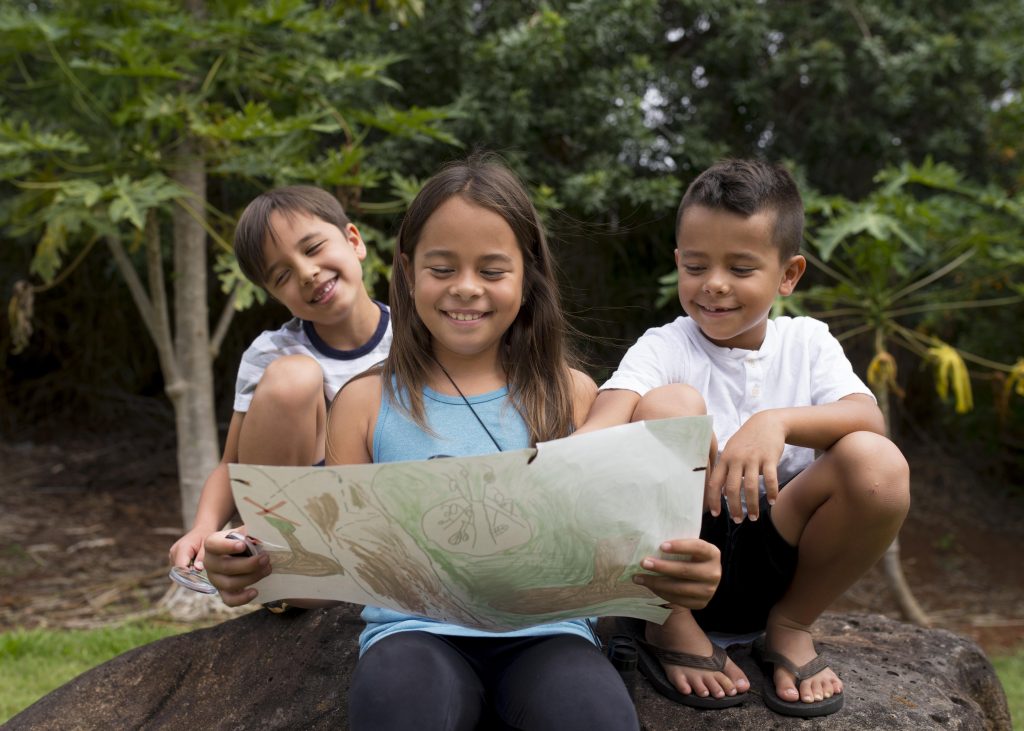
Learning becomes engaging and active when we experience it through gamification!
Students actively participate through challenges, rewards and friendly competitions rather than simply listening to lectures or reading from textbooks.
Here’s how we help develop student engagement through gamification:
1. Interactive Challenges
2. Reward Systems
3. Team-Based Learning
4. Personalized Progress Tracking
5. Fun Learning Environment
This method captures their interest, motivates children to keep going and turns learning into an adventure rather than a task.
2. Boosts Motivation and Encourages Healthy Competition:
Gamification transforms progress into visible achievements, which provides passion for learning!
Students have a sense of achievement when they receive awards, see their names on rankings or gain victory medals. They also have to push themselves, maintain focus and keep getting better through supportive competition with their friends.
Here’s how we help develop motivation and healthy competition through gamification:
1. Achievement Badges & Rewards
2. Ranking Systems
3. Goal-Based Challenges
4. Collaborative & Competitive Activities
5. Instant Feedback & Encouragement
When these components are included, gamification not only increases students’ motivation but also creates a healthy sense of competition that improves their educational experience!
3. Develops Problem-Solving and Critical Thinking Skills:
Students are encouraged by gamification to think beyond memorization!
Whether it’s solving a mystery in history, strategizing in a math puzzle or coding a game, students engage in hands-on learning that sharpens their problem-solving abilities.
Here’s how we help develop problem-solving and critical thinking skills through gamification:
1. Scenario-Based Challenges
2. Decision-Making Games
3. Time- Bound tasks
4. Multi-Level Learning Paths
5. Encouraging Experimentation
Instead of fearing difficult tasks, they embrace them as exciting opportunities to learn and grow.
4. Encourages Collaboration and Teamwork:
Gamification turns learning into a shared experience, where students work together to solve problems, complete missions and achieve common goals.
Students gain valuable social skills, effective communication techniques and respect for the importance of shared success through teamwork. It’s about developing as a team and helping one another instead of just focusing on personal achievements.
Here’s how we help develop collaboration and teamwork through gamification:
1. Role-Based Tasks
2. Group-Based Challenges
3. Communication-Driven Activities
4. Problem-Solving as a Team
5. Shared Rewards
These components are used in gamification to improve learning and build strong social skills, which prepare students for collaboration in the classroom and in real-life situations.
5. Improves Retention and Long-Term Learning:
Learning is most effective when it is engaging and interactive!
According to studies, students who actively participate in class rather than simply remember facts are more likely to remember information.
Gamification makes learning an experience through challenges, rewards and hands-on activities, students connect with concepts in a meaningful way.
Here’s how we help improve retention and long-term learning through gamification:
1. Experiential Learning
2. Repetition Through Play
3. Instant Feedback & Corrections
4. Application-Based Tasks
5. Engaging & Fun Learning Environment
By combining these techniques, gamification ensures that learning is about gaining knowledge that students will carry with them for the rest of their lives, not just passing tests!
6. Personalizes the Learning Experience:
Every learner is different and gamification makes it easier to customize teaching to meet those requirements!
Gamification modifies lessons according to each student’s pace, strengths and areas for growth rather than using a one-size-fits-all strategy.
Here’s how we help personalize the learning experience through gamification:
1. Adaptive Challenges
2. Progress Tracking
3. Customized Rewards
4. Multiple Learning Paths
5. Instant Feedback & Support
Gamification ensures that each student feels appreciated, encouraged and motivated to achieve by personalizing while improving the interactive nature of learning!

Conclusion
“Tell me and I forget,
teach me and I may remember,
involve me and I learn.”
– Benjamin Franklin
Learning should never feel like a chore; it should be an exciting journey!
Gamification in education comes alive by turning lessons into engaging experiences filled with challenges, rewards and teamwork. It creates an environment in which students look forward to studying, take an interest in healthy competition and acknowledge their achievements as they go.
At SPIS School, we believe that learning should empower and inspire. We make sure that students are ready for the real world as well as access them by using gamification.
When learning is fun, the possibilities are endless!
FAQ (Frequently Asked Questions)
Why is gamification in education important?
Gamification in education makes learning fun, engaging and effective. It turns lessons into interactive experiences, keeping students motivated, curious and eager to learn.
What is gamification in simple words?
Gamification is the process of making learning more enjoyable and interesting through the use of game-like elements like challenges, points and prizes. Instead of just reading or memorizing.
Where is gamification used?
Gamification is used in education, workplaces, apps, marketing and healthcare to make tasks engaging and motivating. Schools use rewards and challenges to enhance learning, companies boost productivity with incentives and apps encourage consistency through achievements.
What are the four levels of gamification?
Gamification has four levels: Game Mechanics (points, badges, leaderboards), Game Dynamics (competition, collaboration, rewards), Behavioral Engagement (goal-setting, feedback, progress tracking) and Full Gamification (a fully immersive, game-like experience).
Each level enhances motivation, making learning and tasks more interactive and enjoyable!

Founded in 1997 under the aegis of “Shree Gurudatta Education Society". Aims to develop future leaders. Curriculum is based on CBSE New Delhi.