



Table of Contents
Introduction
More than just facts, general knowledge impacts how we understand the world. Additionally, becoming knowledgeable helps in decision-making in both science and finance.
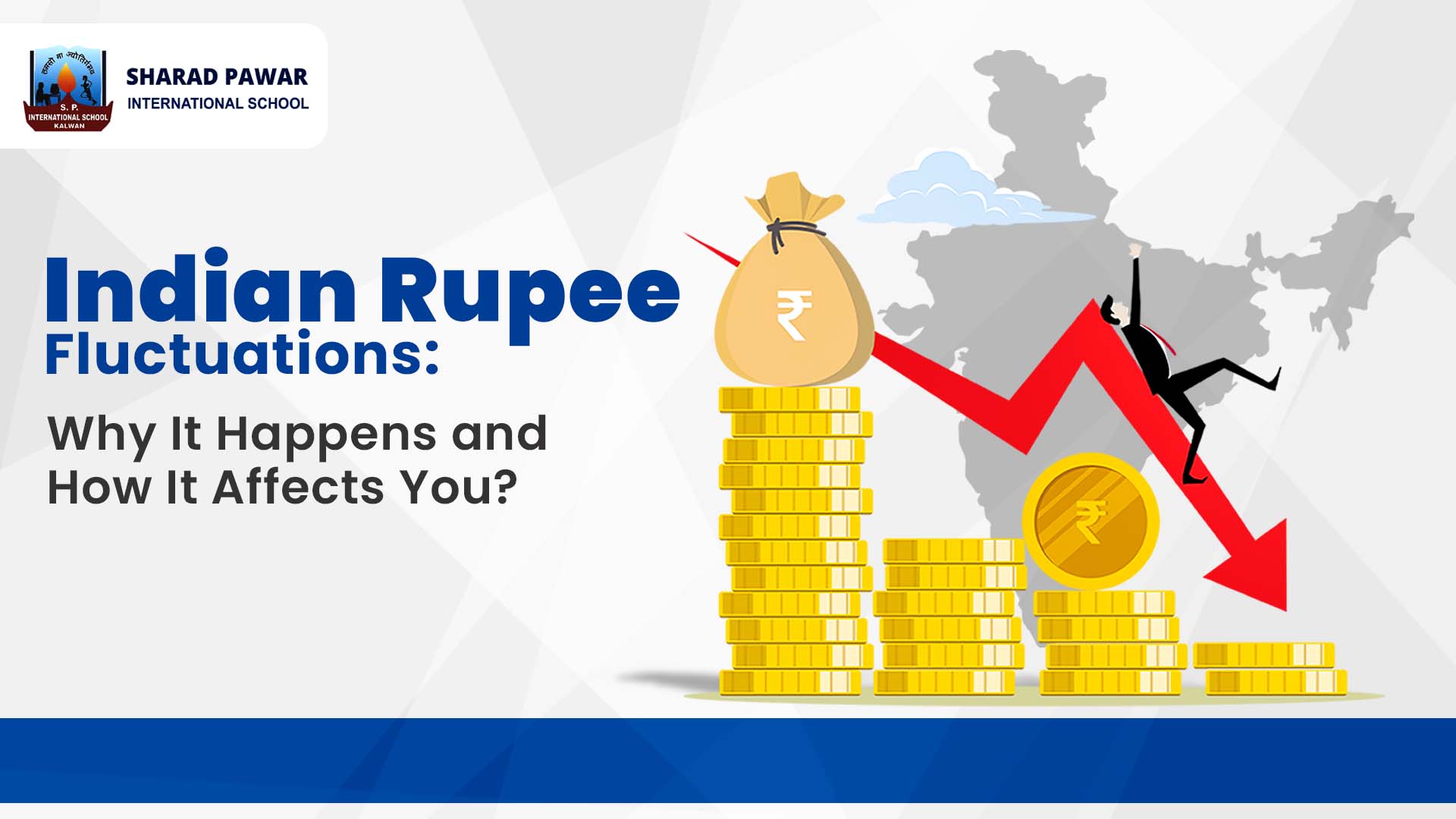
Currency fluctuations are one of the major issues that affect everyone because daily fluctuations in the value of the Indian Rupee have an impact on the nation’s economy as well as everyday expenses.
At SPIS School, we believe that it’s important to encourage children’s interest in current events. Students gain an in-depth understanding of how local events affect global affairs through interactive conversations, news analysis, and real-world examples.
In this blog, we’ll explore why the Indian Rupee fluctuates, what causes these changes, and how they affect you and society. We’ll simplify these fluctuations into main points so you can learn about this crucial financial topic in an easy-to-understand manner.
Why Does the Indian Rupee Fluctuate?
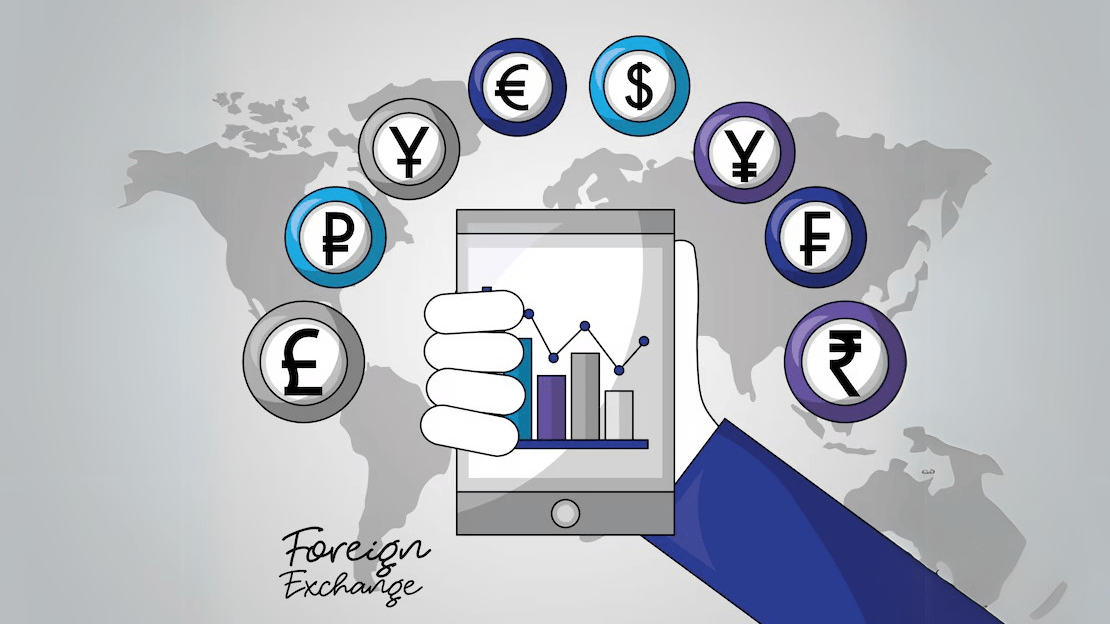
The value of the Indian rupee is not fixed; it changes for several reasons. Some of the key factors include:
1. Demand and Supply:
Have you ever observed how the costs of everyday products are always fluctuating?
The Indian rupee’s fluctuating value is a primary cause of this. Currency is subject to supply and demand, just like any other product on the market.
Let’s analyze this into five main ideas that show how supply and demand affect the value of the rupee:
1. Foreign Investments
2. Import and Export Trade
3. Travel and Money Transfers
4. Interest Rates and Inflation
5. Government and RBI Policies
Together, these elements act as a seesaw, which is continuously changing the value of the rupee.
2. Inflation and Interest Rates:
Ever wonder why, over time, the same amount of money can buy fewer items?
The answer lies in inflation and interest rates!
Costs increase due to inflation, which reduces the value of the rupee. It is strengthened by investors attracted to higher interest rates.
1. Inflation’s Impact
2. Higher Interest Rates Attract Investors
3. Lower Interest Rates and a Weak Rupee
4. RBI’s Role in Balancing Inflation
5. Impact on Everyday Life
The strength of the rupee is continuously shaped by inflation and interest rates, which have an impact on everything from daily costs to international investments.
3. Global Economic Conditions:
The value of the Indian rupee is impacted by happenings throughout the world in addition to national affairs.
Investors transfer their money to more secure currencies like the US dollar during economic downturns, financial crises or periods of violence in major nations, which reduces the cost of the rupee.
1. Recessions and Slowdowns
2. Political Instability
3. Oil Prices and Trade Relations
4. US Federal Reserve Policies
5. Global Financial Crises
Events throughout the world have a continuous effect on the value of the rupee, affecting everything from potential investments to transportation prices.
4. Government Policies:
The Reserve Bank of India (RBI) and government policies have an impact on the Indian rupee in addition to market and world events.
The RBI controls inflation and foreign reserves, while government policies on trade and investments influence the rupee’s strength.
The following five factors will help you understand this influence:
1. RBI’s Role in Currency Management
2. Foreign Exchange Reserves
3. Import and Export Policies
4. Interest Rate Adjustments
5. Economic Reforms
In order to maintain economic growth and protect it from sudden market fluctuations, government policies are essential.
How Does Rupee Fluctuation Affect You?
Knowing the impact of currency fluctuations helps you make informed financial decisions.
Here are five major ways that it impacts our lives:
1. Impact on Prices of Daily Goods and Services:
The rupee’s value affects your daily expenses more than you realize!
The cost of imported products, such as petrol and medications, increases when the rupee decreases in value, increasing everyday spending and transportation costs. As a result, everyone’s life becomes more costly due to inflation.
However, when the rupee rises, import prices fall, which helps you keep things under control and makes your budget easier.
2. Effect on Travel and International Education:
The expense of studying or traveling abroad increases when the rupee falls.
The rising cost of tuition, housing and daily expenses puts extra pressure on students’ and tourists’ budgets. The budgets are becoming tighter as living expenses and airline tickets rise.
3. Impact on Employment and Business Growth:
The value of the rupee always impacts job opportunities and company performance.
Businesses that depend on imports suffer increased expenses when the rupee decreases, which might hamper expansion and hiring.
Businesses, employment markets and salaries are all directly impacted by fluctuations in the rupee.
4. Influence on India’s Economy and Global Position:
A strong rupee improves national wealth, encourages international investment and boosts economic confidence.
However, a weaker rupee puts a strain on government finances by making it more expensive to service foreign loans.
The value of the rupee is more than just a numerical value; it affects India’s economy, standing in the world and financial future.
Conclusion
The fluctuation of the Indian Rupee is a natural part of a global economy!
It is influenced by demand-supply, inflation, imports, exports and government policies. These changes have an impact on our everyday spending, travel, education, business, investments and even the health of the national economy.
By being aware of these elements, people can make more informed financial decisions. By teaching students about these real-world issues, schools like SPIS help to raise their awareness and understanding of money at an early age.
We can make better plans when we are aware of currency moves since knowledge truly is power.
FAQ (Frequently Asked Questions)
What are the effects of currency fluctuations?
They can lead to increased employment and economic activity.
What is the lowest currency in the world?
As of March 2025, the Iranian Rial (IRR) holds the title of the world’s weakest currency.
What is the unit of the rupee?
The Indian Rupee (₹) is the official currency of India and its smaller unit is called Paise.
Is currency fluctuation good or bad?
Currency fluctuation can be both good and bad, depending on the situation. A high rupee affects suppliers while lowering import costs and inviting industry. While a weak rupee encourages exports, it also raises import prices, which causes inflation.

Founded in 1997 under the aegis of “Shree Gurudatta Education Society". Aims to develop future leaders. Curriculum is based on CBSE New Delhi.