



Certainly! In recent years, technology has had a huge influence on education, changing how we teach and learn. Through the use of technology in the classroom, students now have access to knowledge and may interact with educational content in ways that were previously unimaginable. For both teachers and students, technology has created a world of possibilities, from virtual and augmented reality to online learning platforms.
Technology in the classroom has the ability to improve students’ academic performance and give more people across the world access to education. In this blog, we will explore the benefits and challenges of technology in education.
The benefits of technology in education
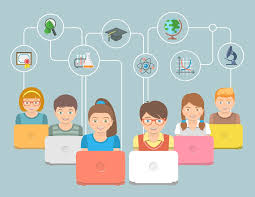
1. Improves Collaboration
Students have the opportunity to collaborate to solve challenges through online classes and educational activities. Students can help one another through collaborative activities where they can exchange ideas. At the same time, technology offers direct communication with teachers. Students can seek more assistance on concepts that are challenging to comprehend. Students may upload their schoolwork from home and teachers can use laptops to access and view completed assignments.
2. Enhances Learning
Technology may improve students’ learning experiences by giving them access to a variety of educational resources such as online textbooks, educational applications and engaging multimedia content. This may make learning more interesting and participatory, allowing students to better comprehend subjects.
3. Prepare students for the future
Technology is a vital element of modern society and introducing technology into education may help students prepare for the future. Teachers may assist children become ready for jobs and provide them with the skills they require to succeed in the twenty-first century by teaching them how to utilize technology efficiently.
4. Cost Effective
Technology may also be used to deliver instructional information at a low cost. Online courses and online textbooks can be more affordable than traditional classroom materials, allowing students to save money.
5. Enhanced Creativity
Technology may also help students be more creative in the classroom by giving them access to resources like digital art programmes and video editing software. Students can use this to explore their creative potential and learn new skills.
6. Increased Engagement
Technology can boost pupil engagement by delivering interactive and immersive learning experiences. Virtual reality, gamification and simulations can help pupils remember information by making learning more interesting and exciting.
Challenges of technology in education

1. Access to Technology
Students from families with low incomes occasionally find it difficult to buy laptops or personal computers, which restricts their capacity to access online resources or finish online assignments. It’s also possible that some students lack access to high-speed internet, which might make it challenging for them to take part in online classes or visit educational websites. Students who live in rural or remote areas, where internet availability may be patchy, have special difficulties due to this.
2. Technical Difficulties
Technical issues with technology have the potential to interfere with instruction and frustrate both students and teachers.
This can involve problems with the internet, connection, devices not working properly and software glitches. Internet connectivity problems can be caused by a number of circumstances, including a weak signal or problems with the internet service provider. This might result in online class pauses, problems accessing educational materials or the inability to complete assignments.
3. Cybersecurity
The use of technology in education may also expose students to cyberattacks and data breaches, which can damage sensitive information and interrupt learning. One of the biggest issues with educational cybersecurity is the possibility of sensitive student and faculty data being hacked.
4. Digital Literacy
The use of technology in education necessitates a certain degree of digital literacy in pupils and educators alike, which can be difficult for individuals who are unfamiliar with the technology or do not have access to proper training.
As you have seen, technology has a significant impact on our lives. It changed the way we learn and the way we educate. Using technology enables us to work smarter and think with greater clarity.
What are your thoughts on how this technology will allow students to direct their own learning?

Founded in 1997 under the aegis of “Shree Gurudatta Education Society". Aims to develop future leaders. Curriculum is based on CBSE New Delhi.