

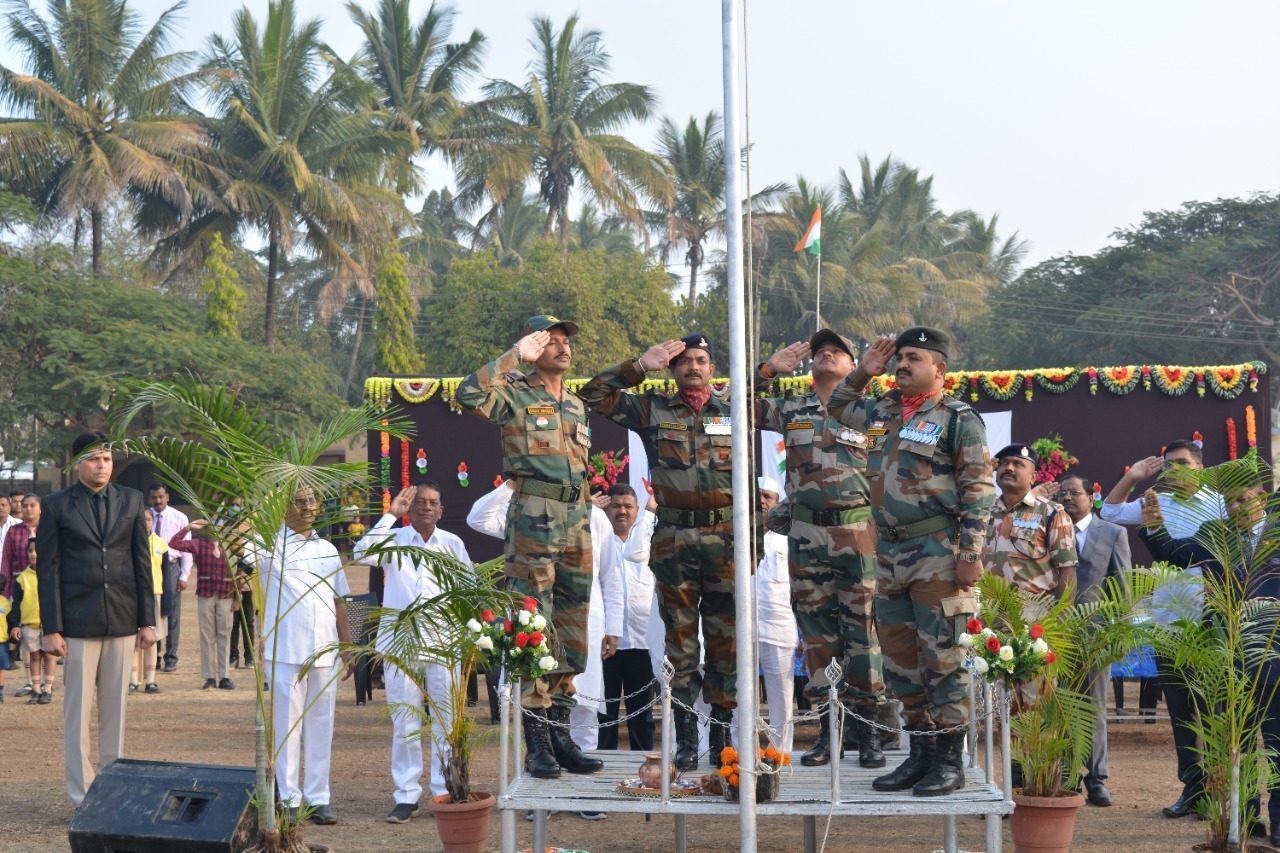
Independence Day is a historic occasion that commemorates a country’s freedom and sovereignty. As it represents the end of colonial rule and the beginning of an era of new India. As a success after fighting for over 100 years with Britishers, this day is celebrated across the country. This day signifies the sacrifice of our freedom fighters.
We should not just celebrate this day but sense the responsibility of this day. We as teachers, Parents and Society have to assure that our students should get to know the real importance of Indian Independence Day. On this day first prime minister of independent India Pt. Jawaharlal Nehru hoisted the national flag to declare independence of India. Events held in schools and colleges serve a variety of important purposes that go beyond simply entertainment.
In this article, we will look at the aims of Independence Day celebrations in schools and how they can help shape the next generation.
1. Instilling Patriotism
As a citizen, a feeling of affection and respect for our country is patriotism. To bring that feeling of affection to our future generation we need to make them realize the value of the country.
Witnessing these celebrations from a young age develops a sense of love respect and responsibility toward the nation which makes them feel patriotic. To foster that affection in our children and grandchildren, we must first help them understand the value of the country.
2. Educating about the Freedom Struggle
When a teacher teaches about Indian independence and the freedom struggle or when parents or grandparents tell stories of our freedom fighters, they learn the significance of independence and our country. When students portray any freedom fighter, sing or dance to a patriotic song or deliver a speech they are delivering a message to people today as well as imparting knowledge and uncommon facts to their peers.
3. Fostering Unity in Diversity
We live in peace and harmony where people with all religions cultures and traditions. It is miraculous to be able to live in peace and harmony while dealing with so many diversified opinions and beliefs.
This miracle is known as Unity in diversity, which indicates that despite our differences, we stand strong together. This is an important principle that our children should adopt in order for the nation to function peacefully in the future.
4. Inculcating Values of Sacrifice and Selflessness
Our history depicts how young people willingly sacrificed all of their opportunities and committed their entire lives to become freedom fighters for a brighter future for our nation in which people are not oppressed by British Rule. On this day, we remember and honor these brave rebels and their struggle for freedom. In this manner, students learn about their sacrifices, and as a result, they become better prepared to take responsibility for their own actions.
5. Encouraging Civic Responsibility
As previously stated, knowing our past and how freedom fighters battled for a better future instills gratitude in our students. Students that are grateful become more compassionate, humble and responsible. They have the potential to become more civilized and well-mannered citizens of the country. A civilized citizen is a solid foundation for a better society. We must ensure that our students are taught civic duty in order to establish a stronger nation.
6. Promoting Creative Expression
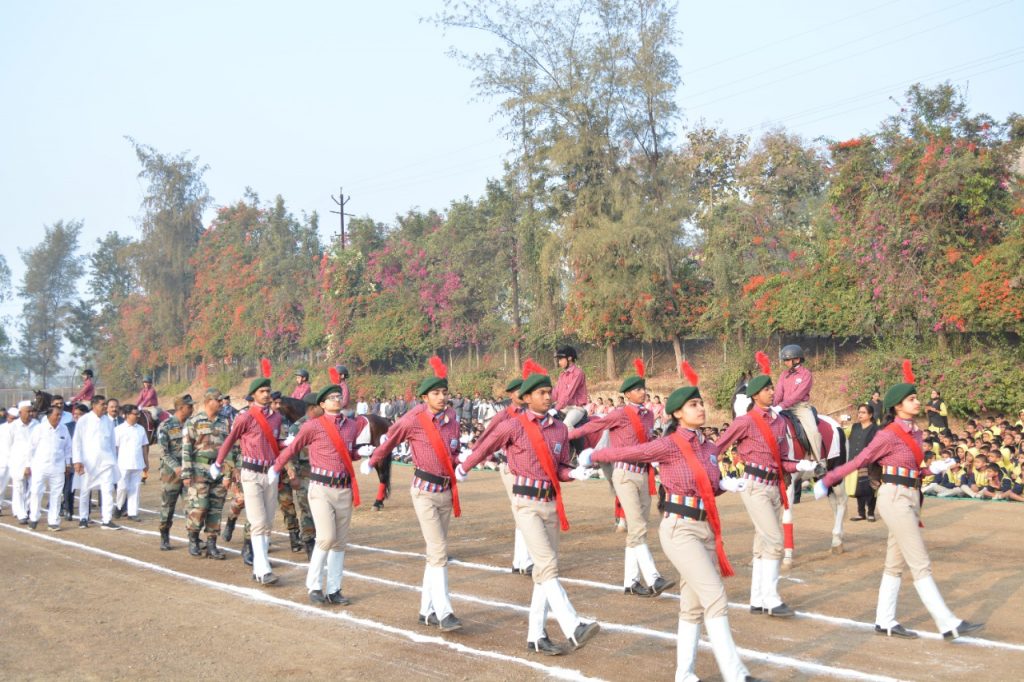
The occasion is more than just a celebration; it is our way of paying tribute to and honoring our freedom saviors. Art is the most effective way to express emotions. When students play a role or perform a dance or a song, they do more than just pay tribute or show gratitude, they put in efforts to help the audience understand their gratitude to the nation. Patriotic films, plays and music build a bond between the audience and their nation, educating the public.
7. Nurturing Future Leaders
A well-evolved leader is required to establish a stronger society. They should have the potential to represent our country. To develop a good leader, we must first develop a good student with strong values and morals. A good leader possesses values such as selflessness, sacrifice, patriotism, courage, honesty, humility, compassion, inspiration, empathy and determination. In this case, good values and morals can be learned from our past, when people strived harder for freedom. Students must understand these principles in order to teach them. All of these years of celebrating Independence Day in school have made pupils familiar with these concepts. This is how we nurture students to be good leaders.
8. Appreciating Freedom and Democracy
A good citizen should be informed of their rights and duties, just as a good leader should be. When their rights are violated, they must have the courage to question the government. They should be honest about their duties. They should be humble and willing to help others. To build a democratic society we need to educate our students. These events are very helpful in building character in students, and to build a democratic society, we need to educate our students. These events are very helpful in building character in students.
9. Creating Lasting Memories
The most commonly used phrase in everyone’s life is “school days are best.” That is precise. Events like this capture not just recollections of events but also lovely memories of practicing with peers in the past. It creates memories of students connecting and becoming friends for life, while teachers learn about their students’ talents and form new ties with them. These occurrences have left us with an abundance of great memories that will transport us back to those times in the future.
To explain in brief our forefathers strived to give us freedom to choose and live as we wish. They didn’t just give a better future but also a blessing to create memories that are worth remembering. It’s our duty to think of our future generations just like our forefathers thought about us and leave them the treasure of values and morals.

Founded in 1997 under the aegis of “Shree Gurudatta Education Society". Aims to develop future leaders. Curriculum is based on CBSE New Delhi.