




People often say, “There is no better companion than books” and it is indeed true. Unknowingly, a lot of experiences can be shared through a good book and reading it unlocks many doors to acknowledgment, awareness, opportunities and excitement.
When your child reads a variety of books, including fiction, nonfiction and biographies, it benefits them in many ways. They enhance their knowledge acquisition, communication, analysis and self-improvement skills. Reading improves not only a child’s ability to communicate in English but also in other languages.
As we all know, vocabulary is really essential. Reading newspapers, magazines and books on a variety of subjects will help your child’s vocabulary develop. Here are some of the best ways that can help your child develop reading skills. Let’s see.
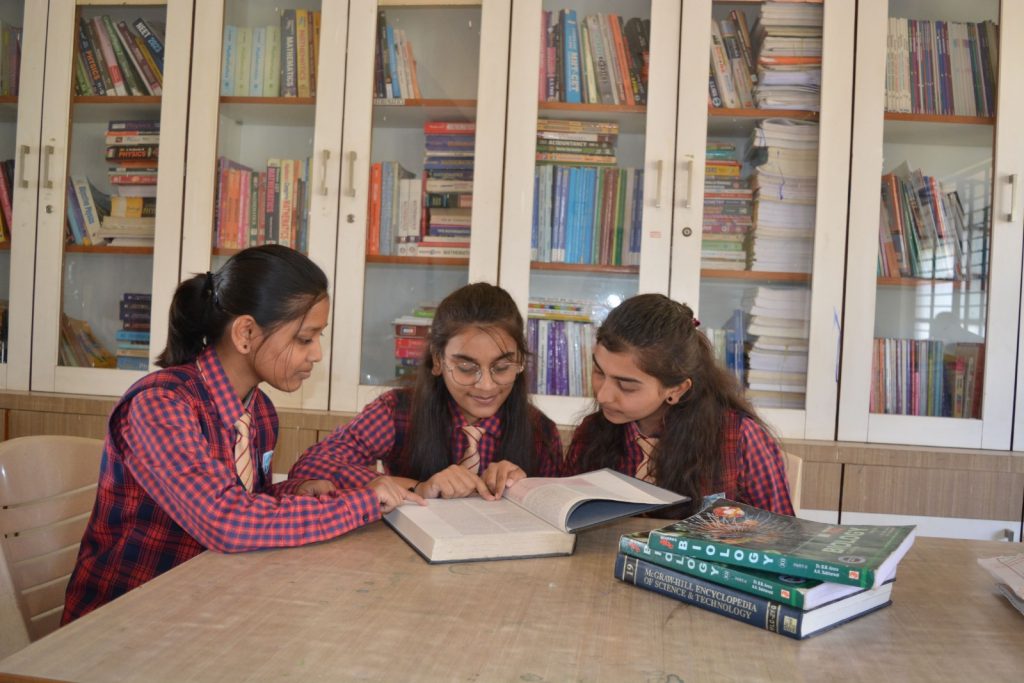
1. Create a habit of reading
As previously said, it is critical to cultivate good behaviors. Prioritizing self-help before offering assistance to our children is critical. Consider reading stories to your children before they sleep to initiate this process. Children listen intently and joyously when their parents tell stories. As a result, both parents and kids unwittingly adopt this practice.
2. Read in front of your kids
Kids begin imitating and adopting their parents’ behaviors at an early age, so why not take advantage of this chance and read in front of them? They may acquire an interest in reading as a result of this. This method may entice children to sit close to you and eagerly ask you to narrate the tale you’re reading or they may even pick up a book of their own and attempt to read.
3. Encourage children to read aloud
Reading aloud to a child has several advantages, including assisting them in absorbing what they have read at their own pace. One significant benefit is that it improves their speaking and pronunciation abilities. They get to practice pronouncing and enunciating words correctly when they read aloud.
We may correct them if they mispronounce anything, helping children to learn from their mistakes. Furthermore, reading aloud to youngsters might help them develop assertiveness and self-assurance.
4. Re-reading the books
Rereading favorite books provides a one-of-a-kind experience. It enables us to explore the topic from several aspects, revealing fresh ideas and views. Encouraging your child to re-read their favorite books develops a stronger connection with the characters and themes. They improve their critical thinking abilities and broaden their creativity. Returning to old stories stimulates intellectual progress and a love of reading, opening the door to new realms of knowledge.
5. Keep books within easy reach of your children.
The addition of books in the area where a child spends most of their time is an important part of their surroundings. It is critical to ensure that children can freely access and handle books, allowing them to take and carry books on their own.
By including books in their environment, they are more likely to notice them and pay attention to them. The mere act of having books in their line of sight has the ability to grab their interest and nurture a love of reading and learning.

6. Allow kids to choose their books
Everyone is different and tastes in books can differ too. It is not necessarily what you like your child might like. They can choose books of their own choice. Reading something they like can keep them involved in books as well as reading. It will be enjoyable for them to select books on their own because it will explain what they like and what they want. This helps a child in decisions. This makes them figure out, which enhances their capability to decide.
7. Interact as a listener and narrator
Communication is key and interaction with kids can make parenting simpler. Interacting with them can improve their communication skills and make their vision clear. Talking to children about the book or article they read can make them more clear about the topic they read and they become more perceptive.
8. Frequently visit libraries
Purchasing books only allows for the exploration of a few books. You may introduce your child at a young age to a vast array of literature by taking them to the library. As young children, they will find the library exciting as the exploration of books will have no bounds.
In short, reading can be interesting for children. We just have to make sure we cultivate this habit in them, not by forcing them to read. The child who reads by their own choice and interest reads more books and enjoys them. Let’s just bring books closer to us and our children and create a stronger society.

Founded in 1997 under the aegis of “Shree Gurudatta Education Society". Aims to develop future leaders. Curriculum is based on CBSE New Delhi.