




In the face of global challenges, individuals hold the power to drive meaningful change. It is within our collective actions that the true impact of sustainable development unfolds. Each person, each community, contributes to the broader tapestry of progress outlined by the SDGs. By embracing these strategies in our daily lives, we not only align ourselves with the vision of a more sustainable future but also become catalysts for positive transformation on a global scale.
In the realm of human connection and shared responsibility, the journey towards achieving the SDGs begins with the choices we make today. So let’s explore eight impactful strategies that can be adopted to actively contribute to the SDGs and inspire positive change at a grassroots level.
1. Educate and Advocate:
To cultivate a culture of sustainable development within our educational community, we must start by fostering awareness and understanding of the United Nations Sustainable Development Goals (SDGs) among students, teachers and parents. Integrating these goals into the curriculum will be a pivotal first step, ensuring that every member of our learning community is well-versed in the principles of sustainability.
To achieve this, we propose organizing a series of workshops, seminars and events aimed at educating and advocating for sustainable development. These activities will serve as platforms for interactive learning. It engages participants in meaningful discussions about the importance of the SDGs and their relevance to our lives.
2. Promote Inclusivity and Equality
In our dedication to cultivating an environment that upholds gender equality, diversity and equal opportunities for all, we prioritize a culture centered on respect, understanding and open dialogue within our school. Our goal is to establish an environment where each student feels valued, irrespective of their gender, background or identity.
To realize this vision, we proactively promote and support open discussions about equality. It offers a platform for students to express their perspectives, share experiences and voice concerns. Through the promotion of inclusivity, our aim is to empower students to acknowledge and celebrate diversity, appreciating the distinctive strengths that each individual brings to our educational institution.
3. Green Initiatives and Sustainable Practices
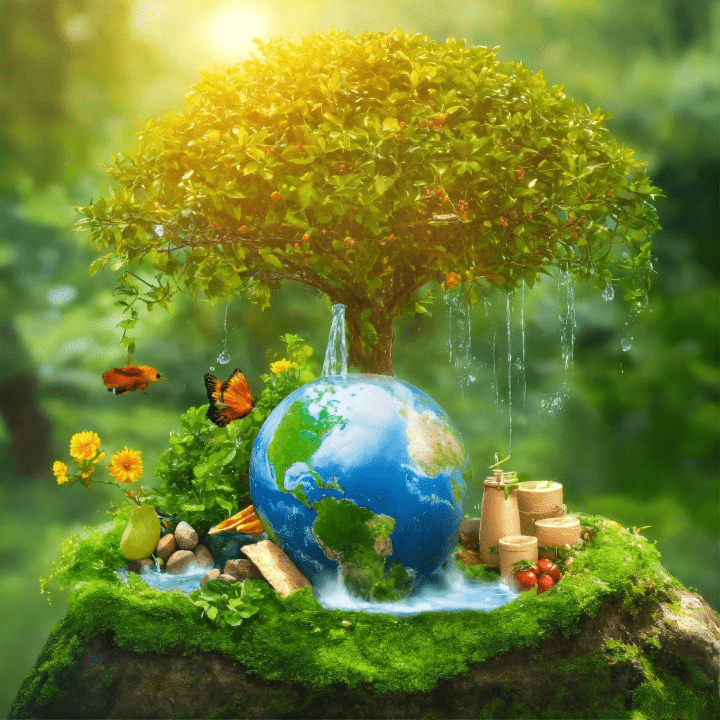
To cultivate a greener and more sustainable educational environment, our school is committed to implementing a range of environmentally friendly practices within its premises. One of our primary objectives is to initiate comprehensive waste reduction programs, encouraging responsible waste disposal and recycling habits among both students and staff. Additionally, we aim to promote energy efficiency by adopting eco-friendly technologies and practices throughout the school.
4. Student-Led Projects
Empowering students to take the lead in implementing sustainable projects is a transformative approach that fosters a sense of responsibility and cultivates essential leadership skills. Encouraging the formation of eco-clubs or student committees dedicated to specific Sustainable Development Goals (SDGs) provides a structured platform for students to actively engage in meaningful initiatives. By entrusting them with the responsibility to address environmental and social challenges, we not only nurture a strong environmental consciousness but also stimulate the development of leadership qualities.
5. Partnerships and Collaborations
Forging partnerships with local organizations, businesses and community leaders is a pivotal step in amplifying the impact of sustainability initiatives within schools. Collaborative efforts create a synergy that goes beyond the confines of the educational institution. It extends the reach and effectiveness of environmental projects. By engaging with local stakeholders, schools can access shared resources, tap into specialized expertise and benefit from a diverse range of perspectives.
6. Digital Literacy for All
In order to prepare students for the demands of the digital age, it is imperative that digital literacy programmes be promoted. In an era where technology is ubiquitous, ensuring that students possess the necessary skills not only empowers them individually but also contributes to societal advancement. By fostering digital literacy, schools open doors to a myriad of opportunities. It enables students to harness the full potential of technology for educational and collaborative purposes.
7. Wellness and Mental Health Support
A key initial step in developing a holistic learning environment is to recognise the inherent relationship between sustainable development and well-being. By acknowledging that the mental and emotional health of students and staff significantly contributes to the overall sustainability of the learning environment, schools can take proactive measures to establish robust support systems. Prioritizing well-being not only enhances the individual experience within the educational setting but also cultivates a positive and resilient atmosphere. This atmosphere is better equipped to contribute meaningfully to sustainable development goals.
8. Global Citizenship Education
Fostering a sense of global citizenship involves integrating international perspectives seamlessly into the curriculum. It creating an educational environment that goes beyond borders. Students gain a comprehensive understanding of the interconnected world we live in by incorporating diverse viewpoints, cultures, and global issues.
This approach aims to broaden their horizons, fostering empathy and a sense of responsibility for global challenges. Encouraging students to actively engage with international topics not only deepens their knowledge but also instills a realization of the far-reaching impact of local actions on a global scale. Through this holistic educational approach, students not only become informed global citizens but also develop the critical thinking skills necessary to address complex, real-world problems with a global mindset. This prepares them to contribute meaningfully to a world that is increasingly interconnected and interdependent.
Adopting these strategies, our school community can actively contribute to the realization of the Sustainable Development Goals. Through education, collaboration and sustainable practices, we empower the next generation to be compassionate, responsible global citizens, capable of driving positive change in the world.
Together, we can build a future that embraces sustainability, inclusivity and prosperity for all.

Founded in 1997 under the aegis of “Shree Gurudatta Education Society". Aims to develop future leaders. Curriculum is based on CBSE New Delhi.