



Nutritional food play a vital role in the health and happiness of children. Maintaining good health to successfully manage a busy day is essential for everyone, especially for students. Attending school, participating in extracurricular activities, managing projects, homework, assignments and self-study may all be challenging for kids.
To enable your child to manage their schedule effortlessly and without fatigue, it’s important to enhance their strength and overall health, thereby improving their performance.
We now have access to a plethora of knowledge in our increasingly globalized world. However, distinguishing between genuine and false information can be a difficult task. As parents and caretakers, we often worry about our children’s health, education and overall well-being.
We are fortunate to live in a time where access to information has never been easier. With this wealth of knowledge readily available, we can address important issues with confidence and enthusiasm.
Let us explore the digital realm together, equipping ourselves with the necessary skills to support and inspire the next generation toward success and fulfillment.
Let’s discover superfoods that are grown locally, which are affordable and readily available.
1. Pomegranate
Pomegranate offers various benefits that could be extremely advantageous for students. Its high concentration of antioxidants enhances cognitive function and memory, helping children memorize and recall material more efficiently. Pomegranates are also rich in vitamin C, which can help boost the immune system, reducing the risk of illness during critical academic periods.
Furthermore, the anti-inflammatory properties of pomegranate can aid in reducing tension and anxiety, enabling students to maintain a more balanced mental state amidst exams and assignment deadlines. The natural sugars in the fruit provide a quick energy boost without the crash associated with sugary snacks, helping children stay alert and focused throughout the day. Students who want to enhance their overall health and academic performance can incorporate pomegranate into their diet.
Fresh fruits provide essential vitamins, minerals and antioxidants to promote growth and general health in kids. Oranges and strawberries enhance the immune system, while mangoes promote eye health. Apples and bananas have nutritional fiber that aids digestion and provides energy. A varied diet of fresh fruits can make a major impact on a child’s nutrition and growth.
2. Drumstick
Drumstick, also known as Moringa oleifera, is a highly nutritious vegetable that provides many health benefits, making it an excellent addition to children’s meals. It is rich in essential vitamins and minerals such as vitamin A, vitamin C, calcium, iron and potassium, which are crucial for children’s growth and development.
The consumption of drumsticks can help to build strong bones, boost the immune system, aid digestion and provide a natural source of energy. Furthermore, due to its anti-inflammatory and antioxidant properties, this vegetable may be advantageous for good skin and brain development in youngsters, thereby improving overall well-being. Incorporating drumsticks into a child’s diet through soups, curries or salads is a delicious and nutritious way to ensure they receive the necessary nutrition for a healthy and successful future.
Eating vegetables is vital for children’s health. They provide nutrients, antioxidants and fiber. Carrots have vitamin A for good eyesight, while broccoli has vitamin C and fiber for a strong immune system and digestion. Encouraging a variety of vegetables like spinach, sweet potatoes and bell peppers is essential for children’s nutrition.
3. Cashews (Kaju)
Due to their high nutrient content, cashews can be a nutritious supplement to a child’s diet. They contain protein, healthy fats, vitamins and minerals such as magnesium, iron and zinc, which are crucial building blocks for growth and development. Cashews promote muscle and bone development as well as brain and nervous system development.
They also provide a quick energy boost, making them ideal for snacking or including in meals. Their moderate fiber content promotes digestive health and antioxidants help prevent cell damage. Cashews may be a safer choice for children with nut allergies, but consulting a healthcare expert is essential. Cashews are versatile and can be easily incorporated into a variety of cuisines, allowing children to enjoy the nutritional benefits while practicing portion control.
4. Chickpeas (Chana)
Chickpeas, also known as garbanzo beans, are a great addition to a child’s diet as they offer numerous health benefits. These legumes are packed with essential vitamins, minerals and fiber that help in the growth and development of children. They are a great source of plant-based protein that is crucial for muscle building and overall development as well as carbohydrates that provide sustained energy throughout the day. Due to their high fiber content, chickpeas promote healthy digestion, reduce constipation and aid in maintaining healthy blood sugar levels.
Furthermore, they contain crucial minerals like calcium, magnesium and phosphorus that help in building strong bones and heart-healthy components like potassium and folate.
Chickpeas are also rich in antioxidants such as vitamin C and beta-carotene that boost the immune system and protect against illnesses. The versatility of chickpeas makes them a great ingredient in a variety of dishes.
5. Finger Millet (Ragi)
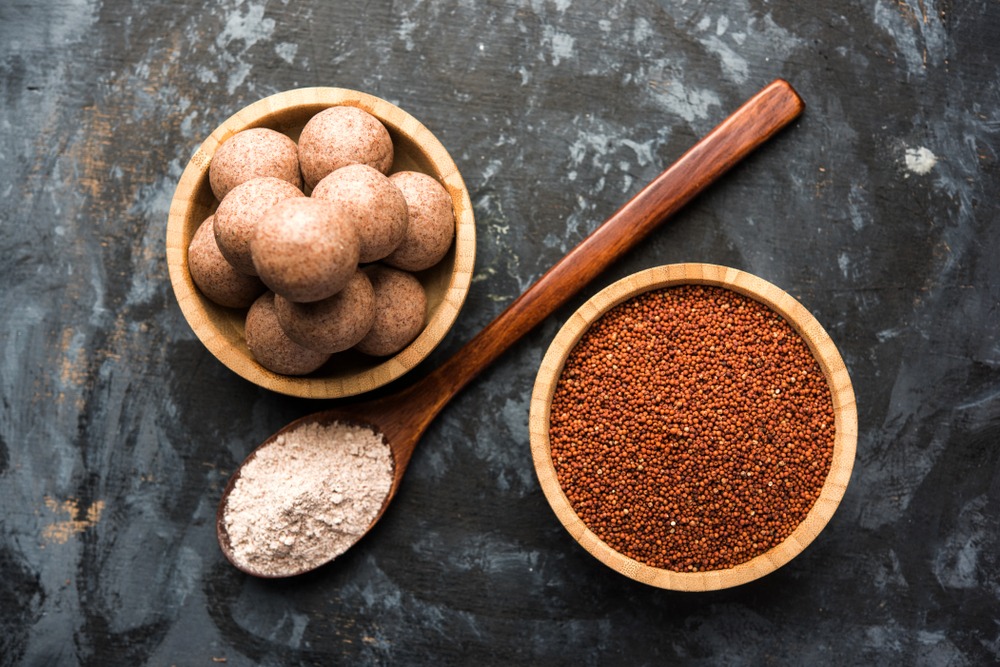
Ragi, also known as Indian finger millet, has numerous physical and mental benefits that make it an excellent food choice for children. It is a nutritional powerhouse that is high in calcium, which helps in building strong bones and teeth, iron, which prevents anemia and dietary fiber, which aids in digestion. Its low glycemic index helps maintain consistent energy levels, making it ideal for children with diabetes or those prone to energy swings.
Ragi also promotes satiety, which aids in weight control and is gluten-free, making it safe for children with gluten sensitivity. Furthermore, ragi aids cognitive development through B vitamins and its flexibility to be used in a variety of cuisines makes it easy to include in a child’s diet. However, it is important to have a varied diet to meet all nutritional requirements.
Millets are great for children as they are highly nutritious and rich in fiber, promoting healthy digestion and growth. Millet porridge with milk and millet-based idli are excellent sources of essential nutrients.
6. Yogurt
Yogurt or curd is a highly nutritious food that can prove to be a beneficial addition to a child’s diet. It is rich in protein, which supports tissue growth, calcium that helps in the development of strong bones and teeth and essential vitamins and minerals that are crucial for overall growth and development. Certain types of yogurts contain probiotics that improve digestion and promote gut health. Yogurt can also help with weight loss, as its protein content can help regulate appetite. However, it is important to choose low-sugar or plain versions of yogurt and ensure a well-balanced diet for children, with yogurt being just one component of their nutritional intake.
Including dairy products in a child’s diet can be highly beneficial as they are rich in calcium, protein and essential vitamins such as vitamin D. These nutrients are crucial for proper bone development, overall growth and maintaining a healthy digestive system. By incorporating dairy into their diet, children can ensure that they are receiving the necessary nutrients for strong bones, healthy development and optimal well-being.
7. Amla
Incorporating amla, also known as Indian gooseberry, into a student’s diet can have multiple advantages. Amla has a high concentration of vitamin C which boosts immunity, reducing the risk of getting sick in crowded academic settings. Additionally, the antioxidants and phytochemicals present in amla can enhance cognitive performance and reduce stress, which is beneficial for students dealing with academic pressure. Amla also promotes healthy digestion, provides energy and helps maintain healthy hair and skin. Moreover, amla aids in iron absorption, making it beneficial for vegetarian students and can assist with weight control. All these benefits make a compelling case for students to include amla in their diet to stay healthy, focused and revitalized.
Berries are an essential part of a child’s diet as they contain high amounts of vitamins, antioxidants and fiber, which are crucial for their overall health and development. For instance, blueberries are rich in vitamin C, which can help boost their immunity, while strawberries are high in vitamin C and folate which are necessary for brain development. Consuming a variety of berries can further improve a child’s nutrition and well-being.
Nutrition is an important factor in a child’s mental and emotional well-being. You may help your child’s cognitive growth, emotional resilience and general happiness by incorporating these seven nutritious foods into their diet.
A well-balanced diet rich in nutrient-rich foods can provide a solid foundation for your child’s mental and emotional health, laying the groundwork for a brighter and more rewarding future. Remember, it’s not just about what your child eats today; it’s an investment in their future well-being.

Founded in 1997 under the aegis of “Shree Gurudatta Education Society". Aims to develop future leaders. Curriculum is based on CBSE New Delhi.